
On the path towards carbon neutrality and the environmental, social, and economic sustainability of the city of Porto, collective action is essential for collective benefits. Our goals can only be achieved through concrete actions carried out by all city stakeholders, regardless of their size, previous actions, or legal status.
For this reason, the campaign “What is in our hands?” aims to inspire citizens to take action, adopting more sustainable daily practices from which we can all benefit!
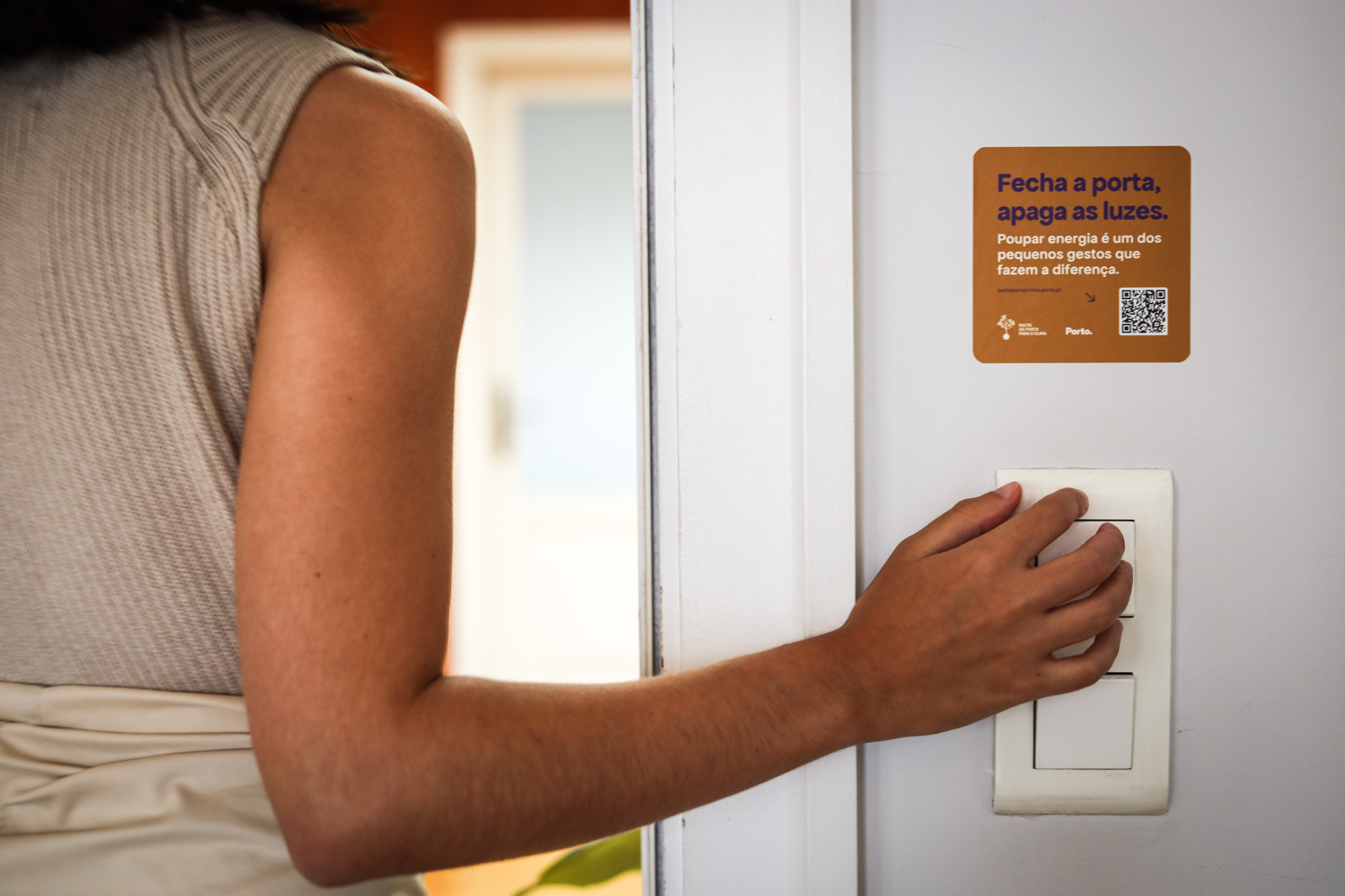
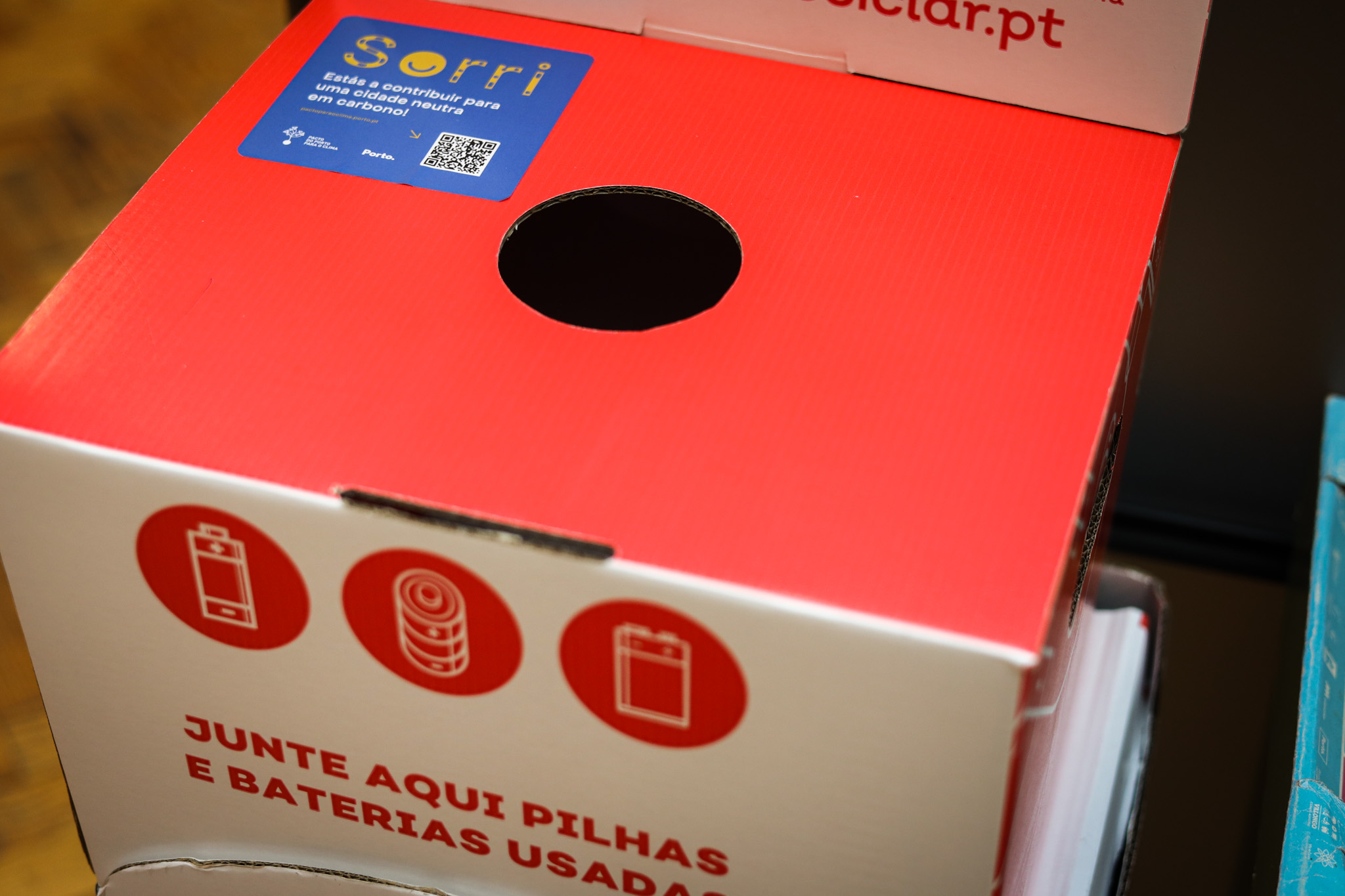


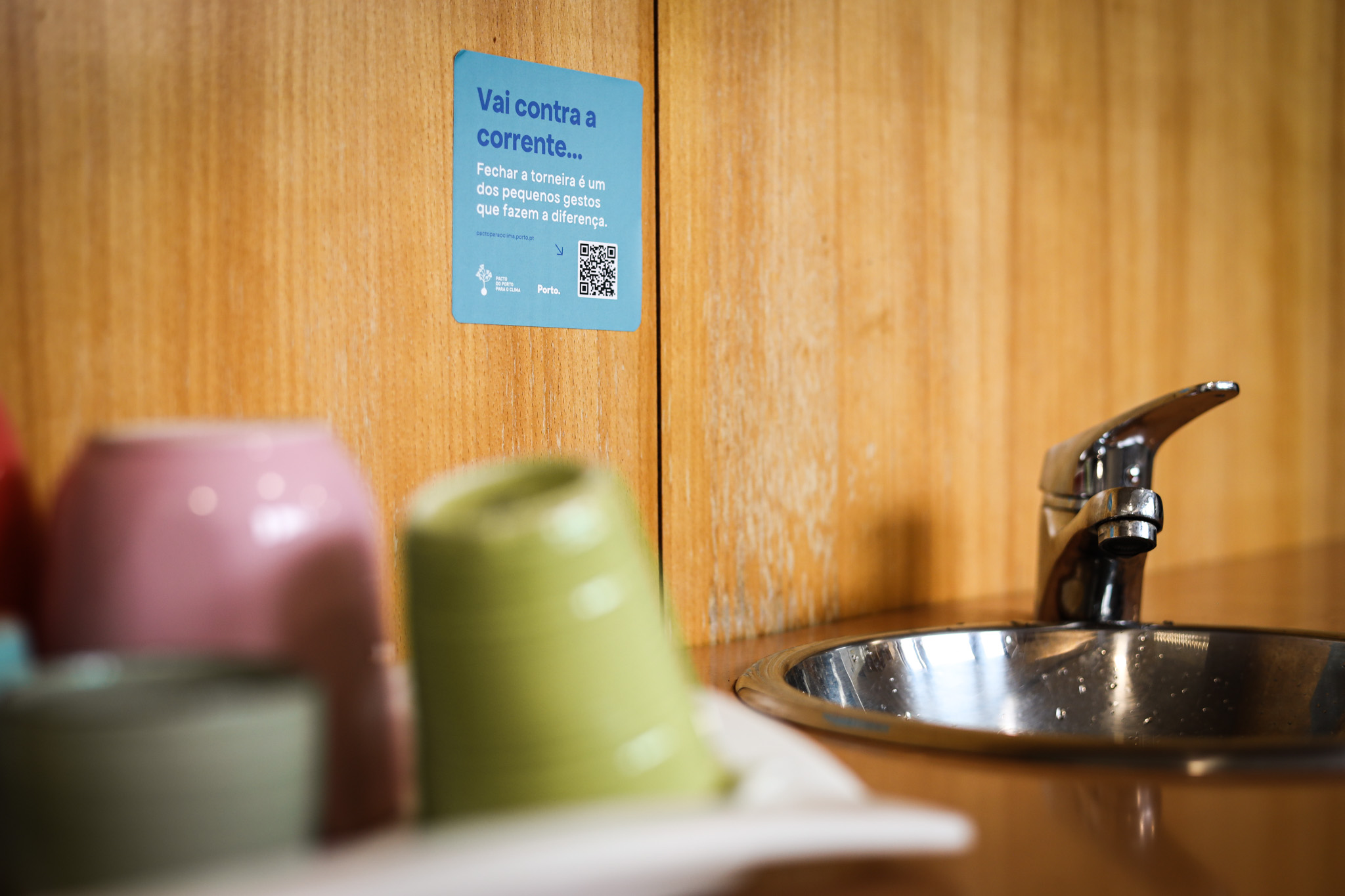


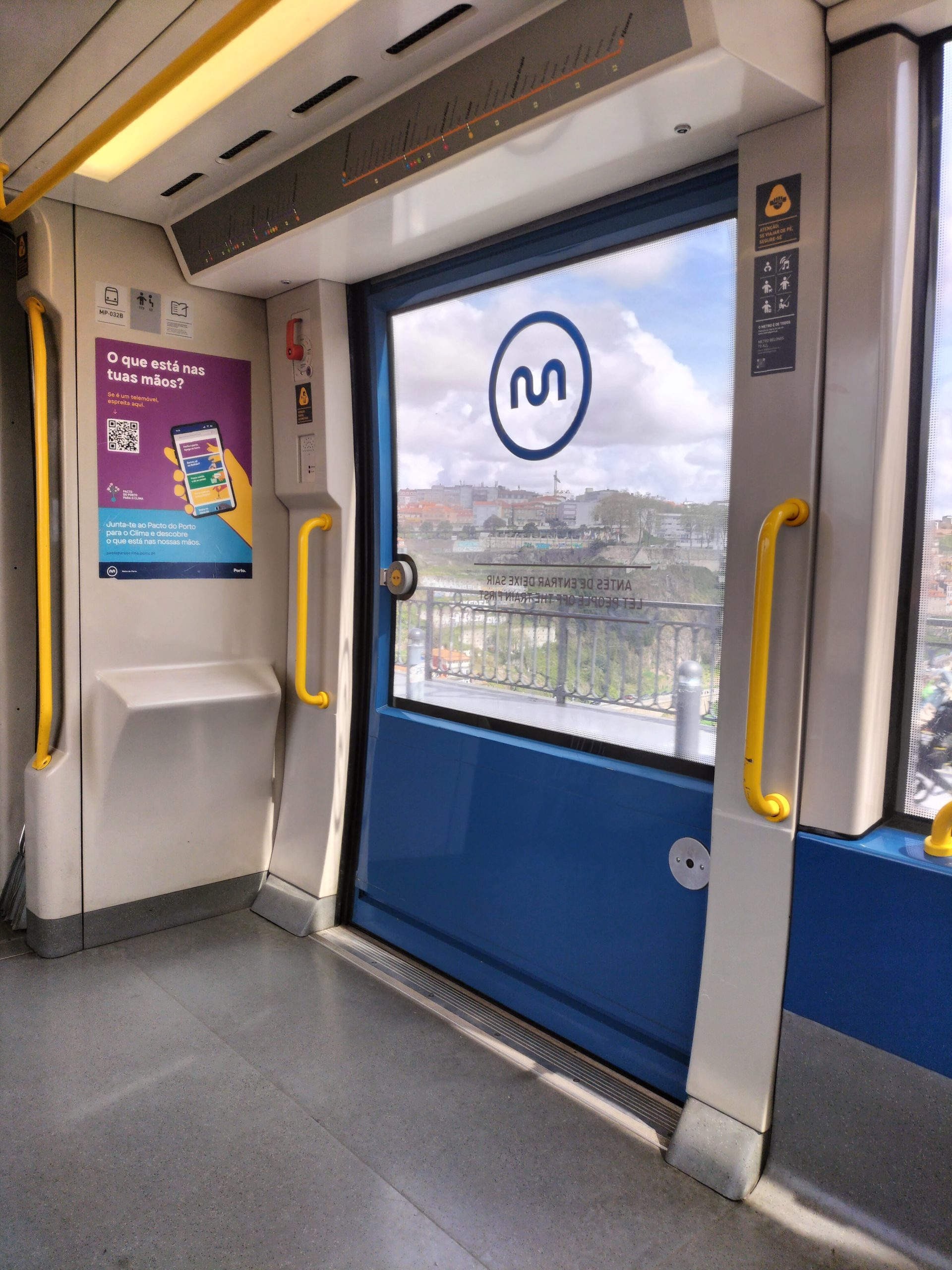

Although Portugal is increasingly establishing itself in the production of energy from renewable sources, there is still considerable dependence on fossil fuels, with significant environmental consequences. It is imperative to join forces to reduce consumption, mitigate energy impact, and transition to clean, emission-free energy sources.
In this regard, you can implement various practices in your home to reduce energy consumption and, consequently, lower your electricity bill.
Use artificial lighting only when essential, prioritize natural light, and maximize its use. By keeping natural light sources, such as windows and skylights, clean and unobstructed, you can achieve energy savings of between 20% and 80%.
Avoid keeping lights on in unoccupied spaces and minimize purely decorative lighting. Installing motion and light sensors in common areas and passageways, such as hallways, can lead to energy savings of between 24% and 38%.
Turn off devices when they are not in use to avoid standby consumption, achieving energy savings of up to 10%. Consider using power strips with an on/off switch, making it easier to turn off multiple devices at once.
Replace traditional bulbs with high-efficiency LED bulbs. This simple change can lead to energy savings of between 30% and 60%.
When purchasing new appliances, ensure they have high energy efficiency, allowing for optimized energy management and resulting in savings on your electricity bill. When buying, it is crucial to assess your actual needs and the purpose of the appliance to choose energy-efficient devices with capacities that match your real requirements.

By choosing to shop at small businesses and grocery stores, you are not only supporting your “neighbors'” businesses but also boosting the local economy by purchasing from regional producers. Buying locally results in a smaller environmental footprint due to the reduced impact associated with transportation and packaging. These products are usually fresh and of high quality, as they do not need to travel long distances to reach you.
By prioritizing local businesses, you support the sustainability and growth of these small enterprises. This way, you contribute to economic development and the strengthening of the local community while also taking on a role in social responsibility.
Using reusable bags has become a common habit! Always carrying a reusable bag is a simple action that helps prevent the use of plastic bags. In some supermarkets, besides reusable bags for fruits and vegetables, you can also use a cloth bag for bread and bring your own containers for meat, deli products, or fish. These are small gestures that make a big difference!
Choosing to shop locally allows you to build connections with producers and merchants. Who doesn’t enjoy walking into a bakery and being greeted with a “Good morning, the usual?” or getting personalized suggestions for dinner?
Shopping locally can be a way to build friendships and strengthen your sense of belonging to the community.
If you don’t have the opportunity to shop at small businesses or local markets, prioritize national and organic products. These come from responsible agriculture, free of harmful chemicals, and have a lower environmental impact.
The proper separation of waste is crucial, not only to keep the city clean but also to drive the circular economy. What is considered waste today can be recycled and transformed tomorrow.
Therefore, it is essential to separate waste so it can be reused and recycled. This also reduces the need to extract and process new resources, saving energy and other natural resources.
In Porto, various waste collection points are available throughout the city: general waste bins, recycling points (for plastic and metal packaging, paper and cardboard, and glass containers), used cooking oil collection points, and organic waste bins.
Separating and disposing of these materials is a simple process, but it is crucial not to mix different materials, as contamination can render the recycling process ineffective.
If you need to dispose of other types of waste, you can visit one of the city’s eco-centers or call Porto’s waste collection service at 220 100 220 to schedule a free pickup.
For more information, Porto Ambiente provides guidance: portoambiente.pt/separacao-de-residuos.
Organic waste, such as food scraps, peels, vegetables, or meal leftovers, can be repurposed.
Through a natural process, these materials are transformed into compost that enriches and nourishes the soil. In Porto, several options are already available for collecting organic waste.
Learn more about the Porto Orgânico project – Now it’s in your hands: organico.portoambiente.pt.
Porto Ambiente offers free services for voluntary disposal at eco-centers and home collection of green waste, which can be requested through Linha Porto (220 100 220).
The green waste collected in Porto is sent to LIPOR’s Organic Recovery Center, where it is composted to produce the organic soil amendment “Nutrimais.”

The issue of food waste has gained global attention. Around one-third of all food produced worldwide is wasted, while a portion of the population faces hunger.
This problem occurs at every stage of the food cycle: from harvesting, through production and distribution, to consumption in our homes. It also leads to an unnecessary waste of natural, human, and energy resources, which we must strive to value and preserve.
Therefore, collective effort is essential to minimize food waste.
Try to buy and prepare only the quantities you truly need! If there are leftovers, reuse them to create new dishes. There are plenty of practical and delicious ways to repurpose food.
For example, overripe or imperfect fruits can be turned into smoothies, jams, or tarts, while leftover meat or vegetables can be used for quiches, pies, or pizzas.
There are countless online recipes to inspire you, helping you reduce waste and save money at the same time!
It is important to distinguish between “use by” dates, which indicate that a food may no longer be safe to consume after a certain date, and “best before” dates, which suggest that the quality of the food may decline but should still be checked.
Misinterpreting these labels leads to 10% of food waste in Europe every year.
Before discarding products labeled “best before”, take a moment to look, smell, and taste! Use your senses to assess the freshness of food instead of relying solely on dates—many products remain perfectly good beyond the indicated date.
Planning meals in advance helps you make the most of the ingredients you already have and buy only what is strictly necessary.
Not only is this an effective way to reduce food waste, but it also saves you money!
Try shopping more frequently in smaller quantities, preventing waste while ensuring fresher ingredients in your kitchen. Consume them promptly or consider freezing them for later use.
Keeping products organized, properly stored, and visible is essential to ensuring they are consumed before they spoil.
Use airtight containers or appropriate packaging and store food at the correct temperature to extend its shelf life. Organize your pantry and fridge so that older products are more accessible and get used first.
Regularly check items nearing their expiration date and make an effort to consume them promptly. If you realize you won’t use them in time, consider freezing them for later use.

Although we refer to our planet as the “Blue Planet” due to the vastness of its oceans and seas, the reality is that potable freshwater, the water we consume, is a limited resource, accounting for just 1% of the world’s available water.
Climate change is exacerbating this challenge, leading to prolonged droughts in various regions across the globe. Portugal is no exception, having faced increasingly frequent drought episodes in recent years.
Therefore, it is imperative that we adopt water-saving measures and recognize the value of this essential resource for our existence.
A faucet that doesn’t close properly or a small water leak in the toilet, for example, can lead to significant water wastage. If leaks persist, they can cause not only excessive consumption but also complications such as infiltrations or mold formation in the home.
It is advisable to address these issues promptly to prevent these setbacks.
Opting for shorter showers and turning off the tap while lathering can lead to significant water savings. Make a difference in your daily routine by limiting showers to 5 minutes, roughly the length of a song.
Hand-washing dishes uses more water than washing them with a dishwasher. Therefore, it is recommended to use the dishwasher and always run it with a full load, saving a significant amount of water with each washing cycle.
There are several ways to save water by reusing it for new purposes. For example, while waiting for the shower water to heat up, you can collect it in a bucket for future use. You can also take advantage of rainwater and the water used to wash vegetables. These waters can be reused for various tasks, such as toilet flushing, cleaning, or watering plants.
Remember to water plants and gardens during the cooler hours of the day to minimize evaporation.

Mobility and transportation have a significant impact on the carbon emissions of the city of Porto, accounting for 40% of the total emissions. The release of harmful gases poses not only environmental risks but also detrimental effects on public health due to the reduced air quality.
Effective change depends on the involvement and commitment of all those who move around the city. Therefore, it is essential, at an individual level, to adopt more sustainable behaviors.
Opting for public transportation is a sustainable choice that significantly contributes to reducing emissions and urban congestion. In Porto, the public transport network includes buses, metro, trams, and trains, making it easier to access various areas of the city, while also reducing mobility costs and improving time management for users. This network continues to expand, aiming to improve the services provided to users.
Several fare options are available to accommodate different travel needs, including free transportation for students up to 23 years old, the offering of 22 trips on the Porto Card, and the +perto service.
By opting for active and soft mobility, you are contributing to the reduction of air and noise pollution, easing road congestion, and thereby improving the quality of the urban environment. These choices also have a positive impact on both our physical and mental health, providing a regular form of exercise and reducing stress associated with heavy traffic.
Individual vehicles remain an essential part of daily mobility for many people. To make this option more sustainable, we can adopt practices such as using electric or hybrid vehicles, which are more sustainable and energy-efficient.
Carpooling, where people who take similar routes share a vehicle, is an increasingly common solution that contributes to urban sustainability. This approach reduces the number of vehicles on the road, cutting down on pollutant emissions and congestion. In addition to environmental benefits, it is economically advantageous as the travel costs are shared and encourages social interaction.

The sun shines for everyone! So why not harness it as an energy source for your home? Installing photovoltaic panels allows you to generate your own energy, reducing dependence on other polluting energy sources. Solar energy is obtained through the photovoltaic process, which does not emit greenhouse gases or other pollutants, making it a clean energy. The best part? It is inexhaustible! The sun will be an energy source for your home at a low cost.
With an efficient photovoltaic energy production system, you can reduce your energy bill, make your home more self-sufficient, and decrease your reliance on fossil fuels. If you generate excess electricity, you have the option to sell it to an energy community, contributing to the energy transition.
Before installing solar panels, it’s important to consider various factors: the feasibility of the location, the system size, associated costs, maintenance, and available regulations and incentives.