
Route 2: Freixo Wastewater Treatment Plant and Oriental Park
29/10/2024
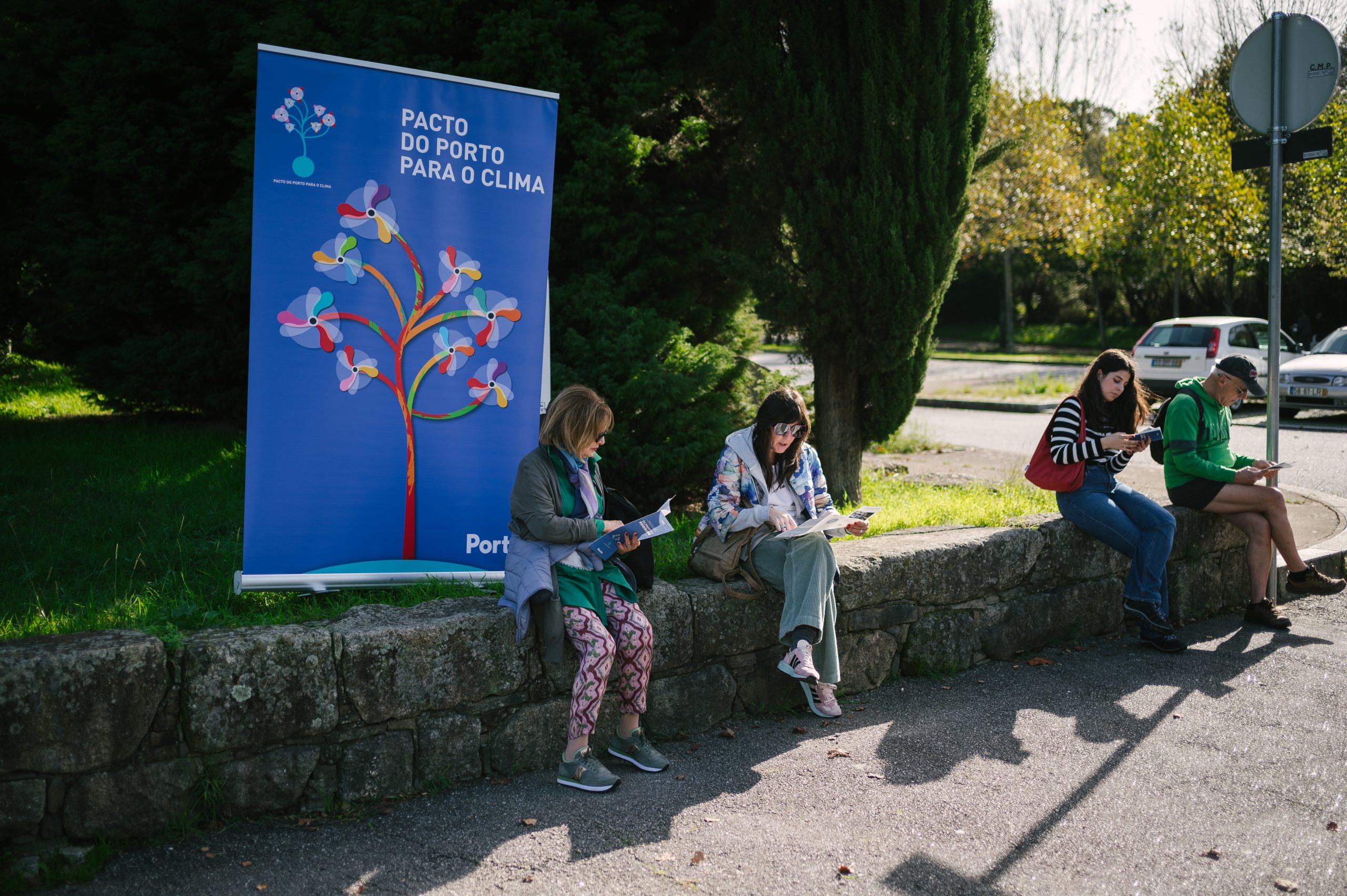
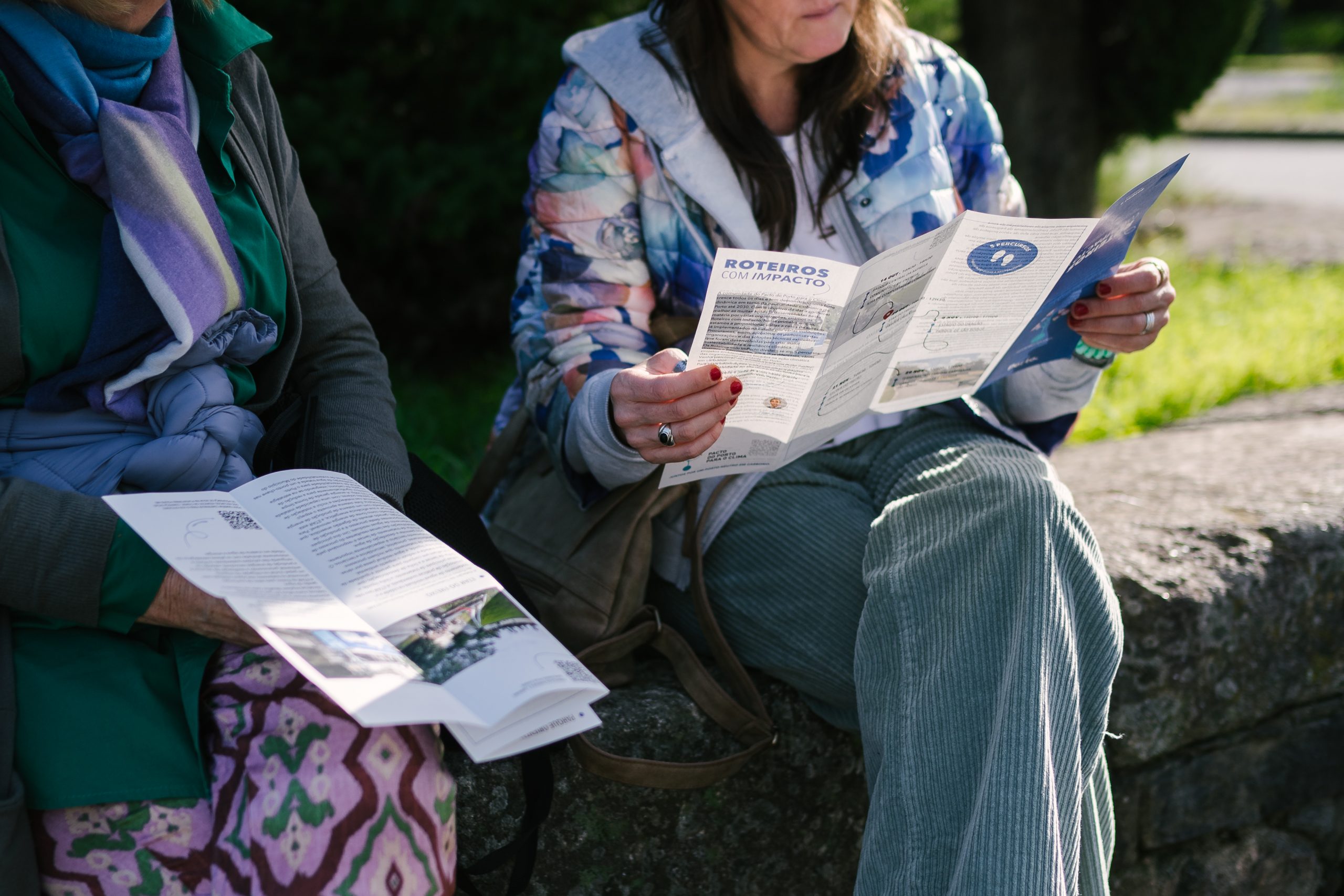
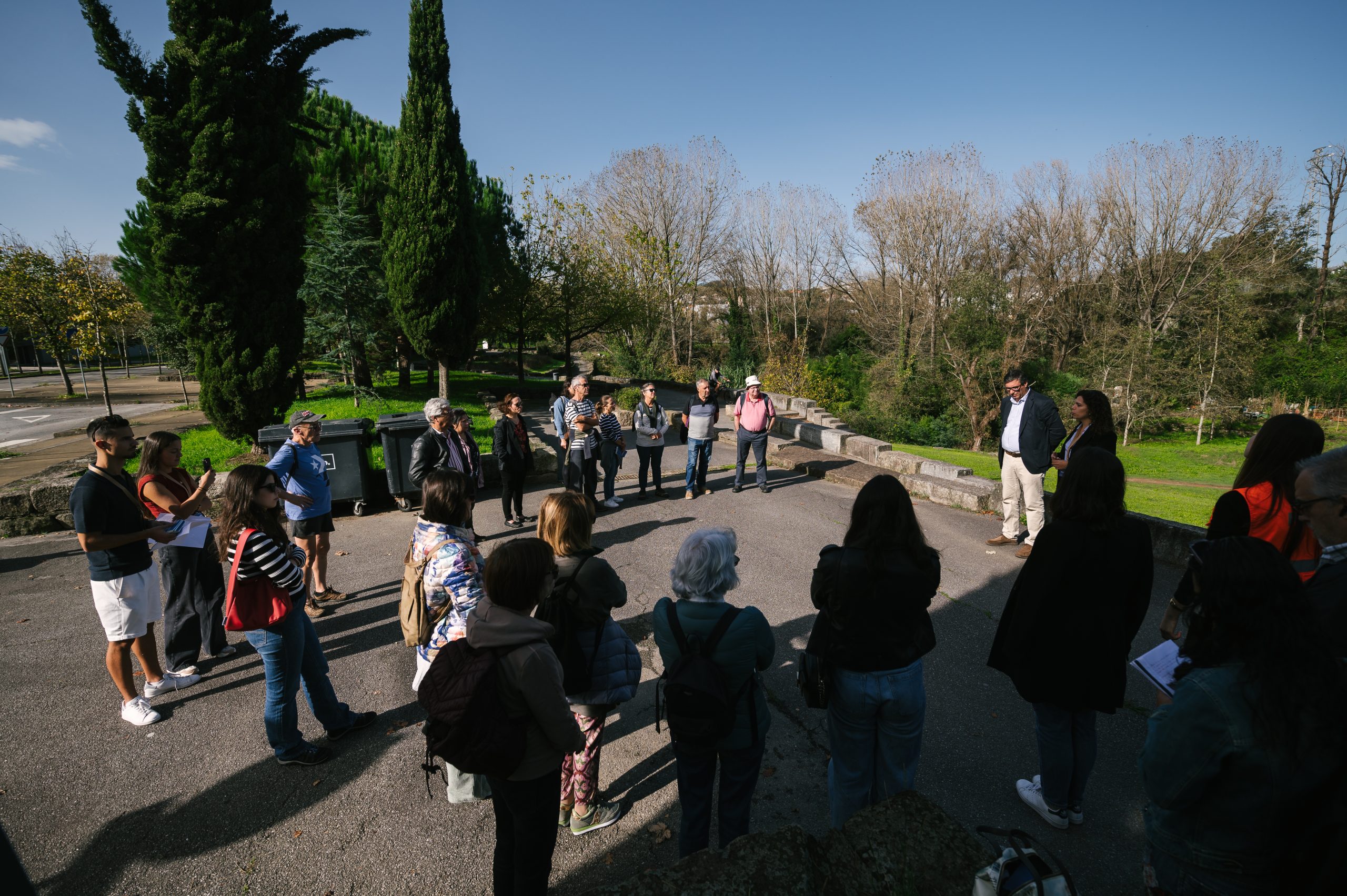
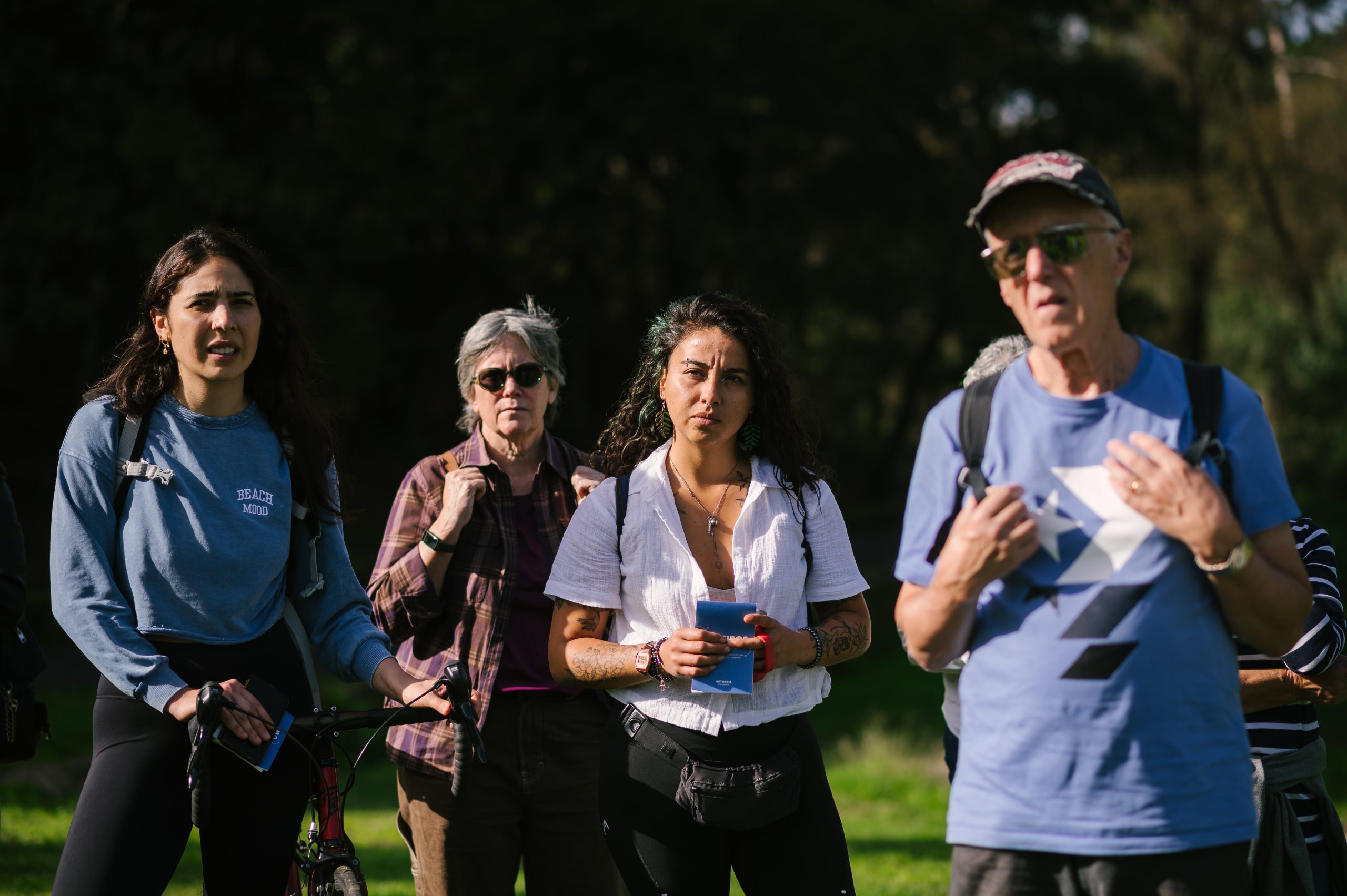
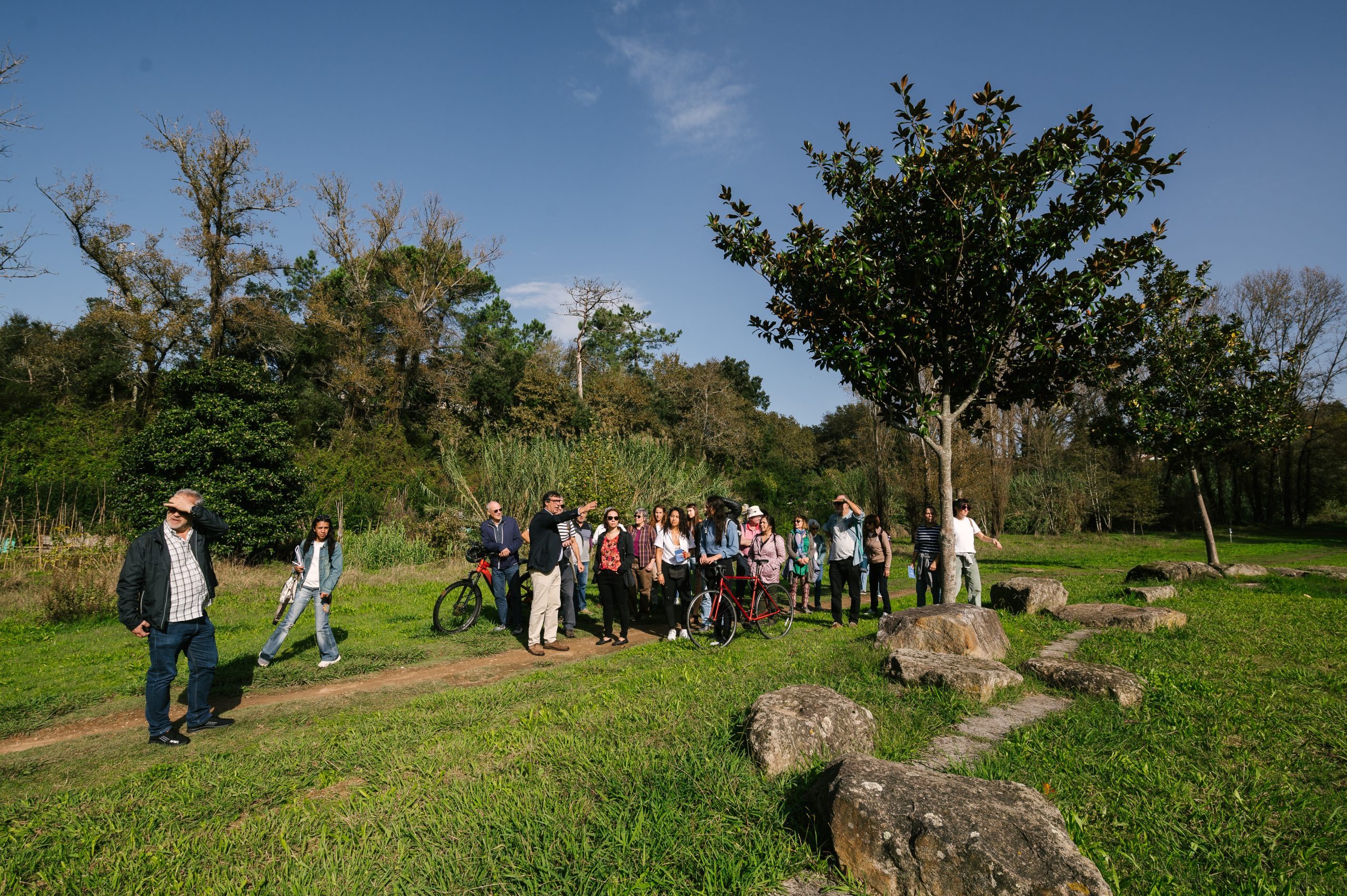
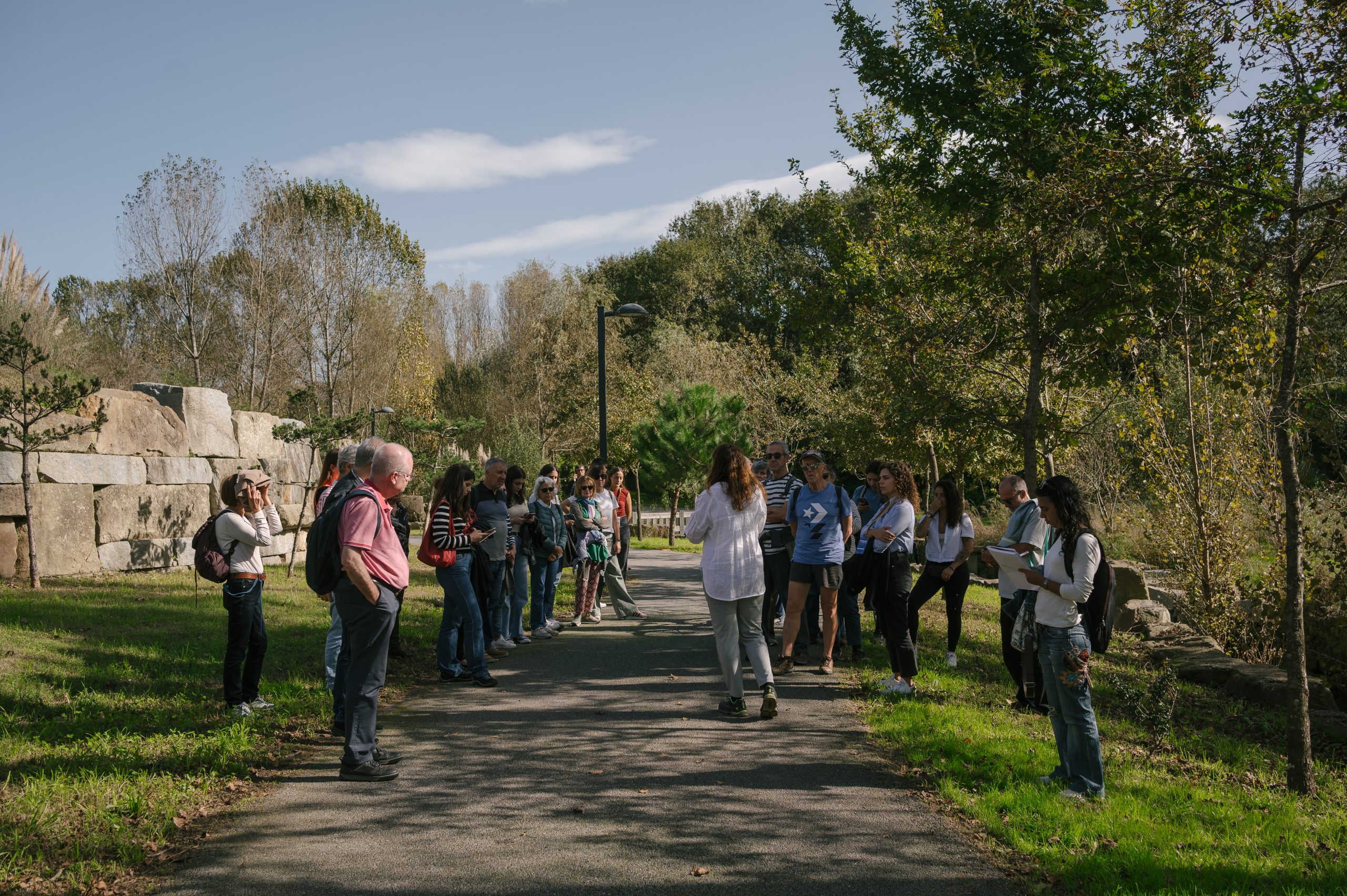
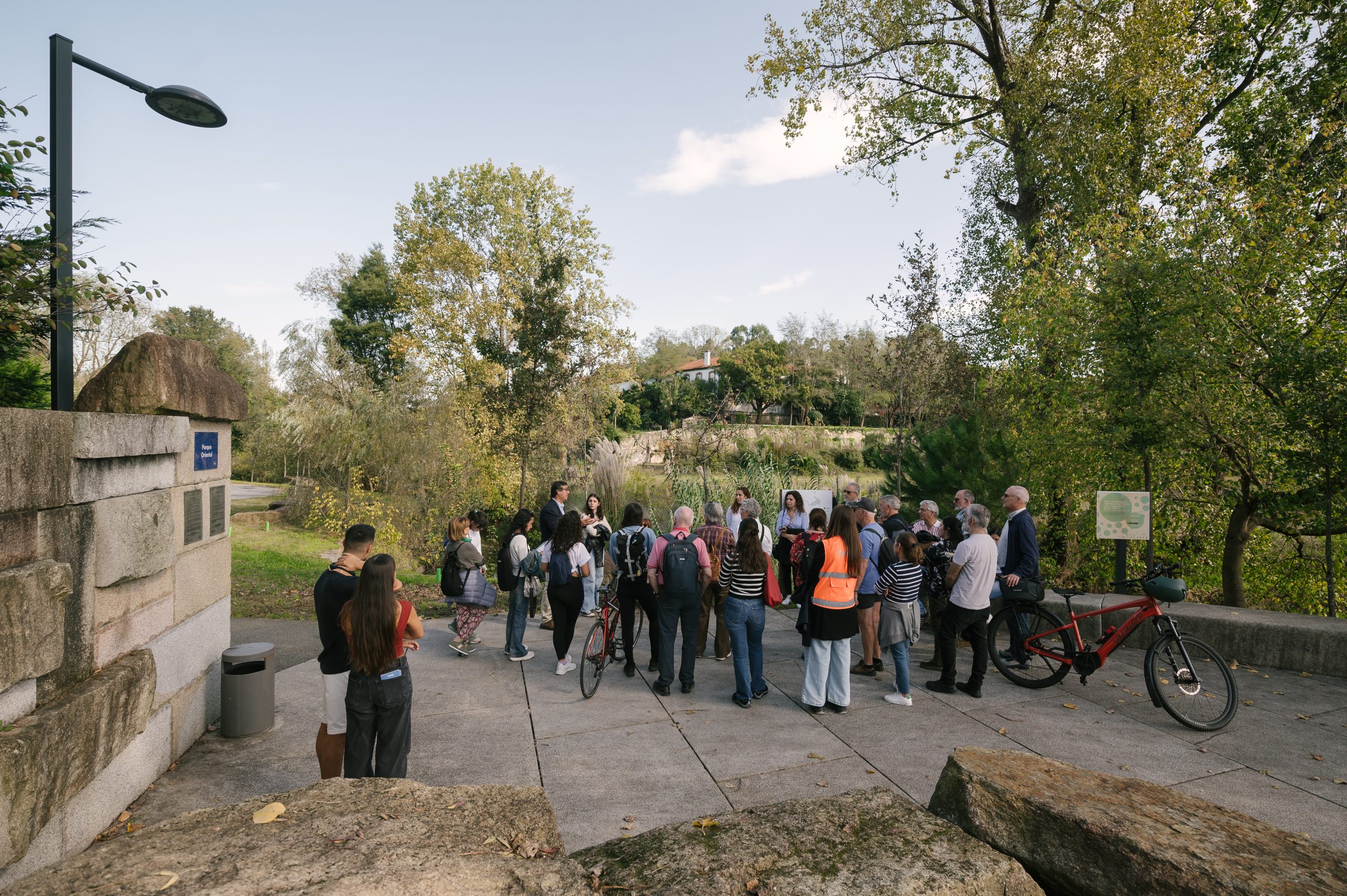
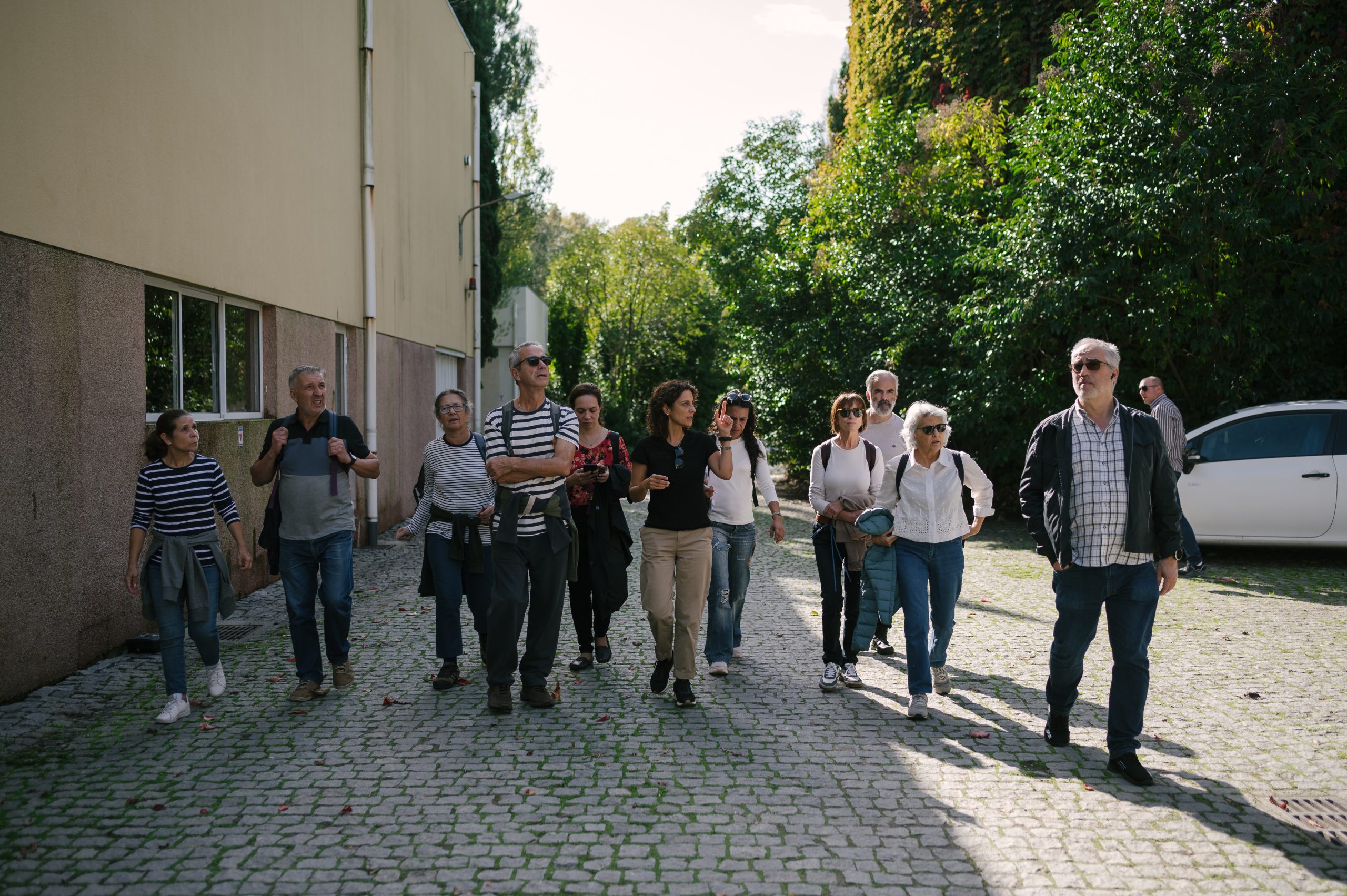
After visiting Asprela Central Park, the Agra do Amial Energy Community, and the Community Composting Island, the second “Roteiro com ImPacto” showcased the city’s resilience in green spaces like the Oriental Park and, following the Tinto River’s path, in the clean, reused water from the Freixo Wastewater Treatment Plant (ETAR).
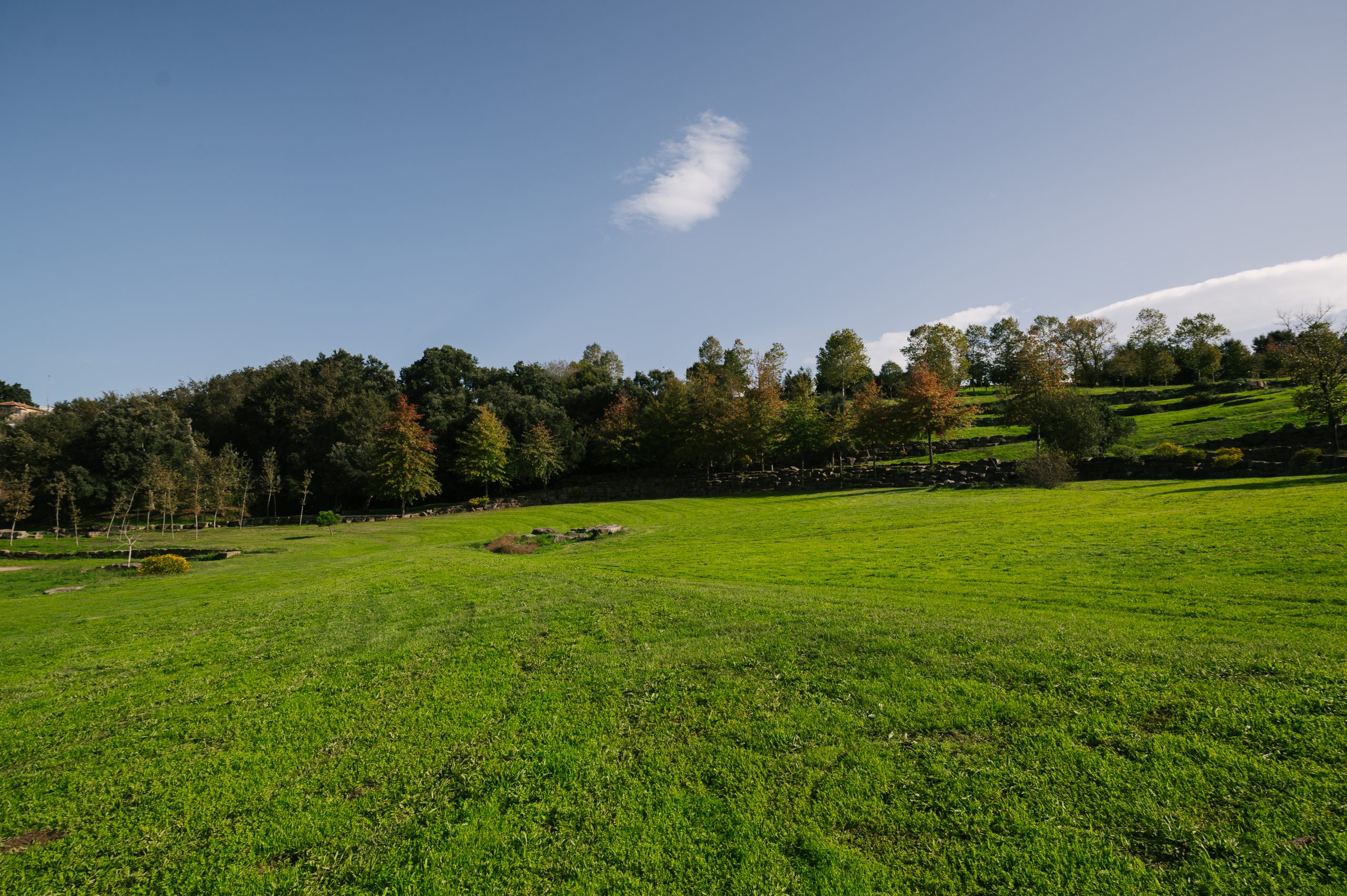
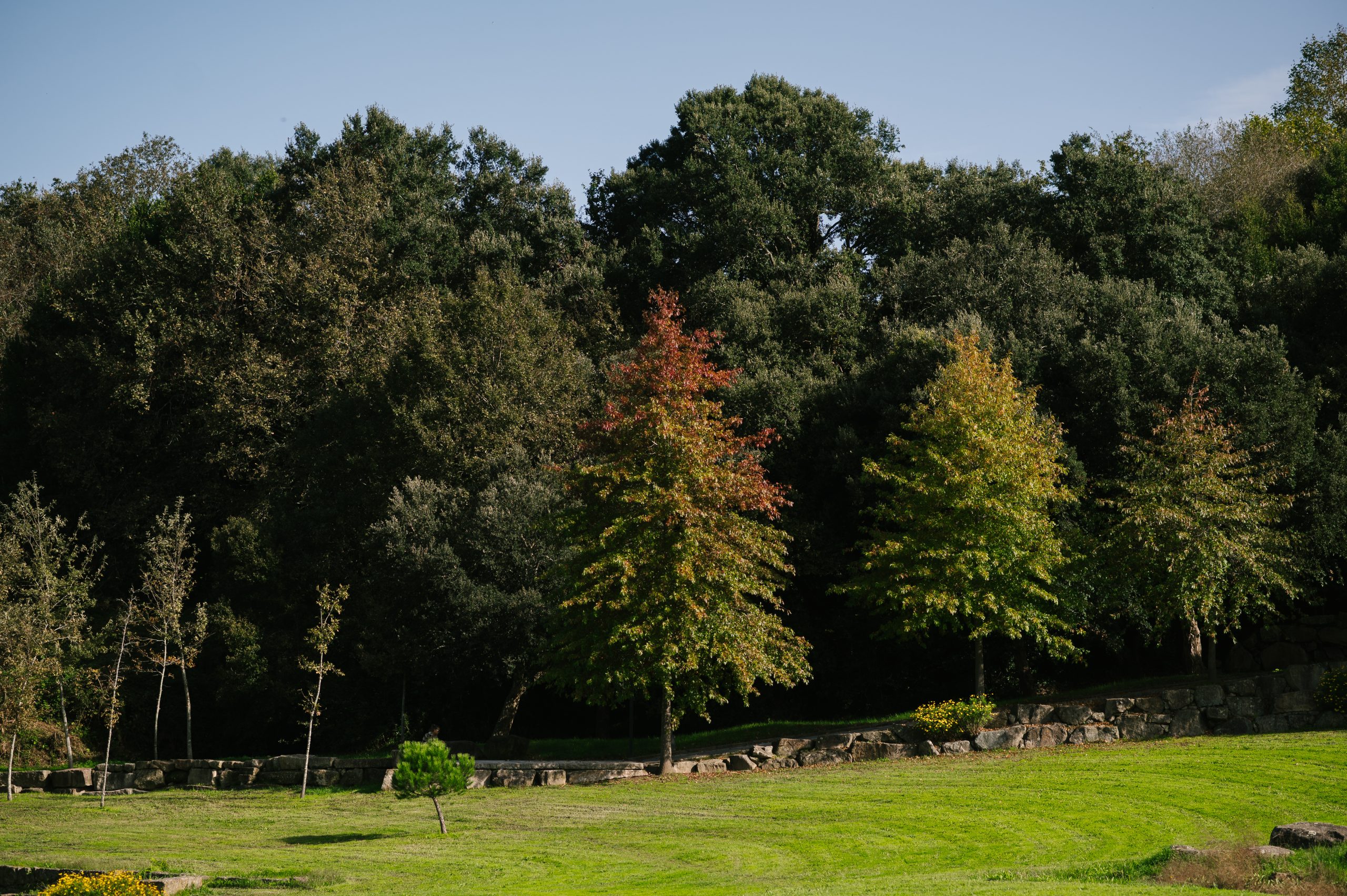
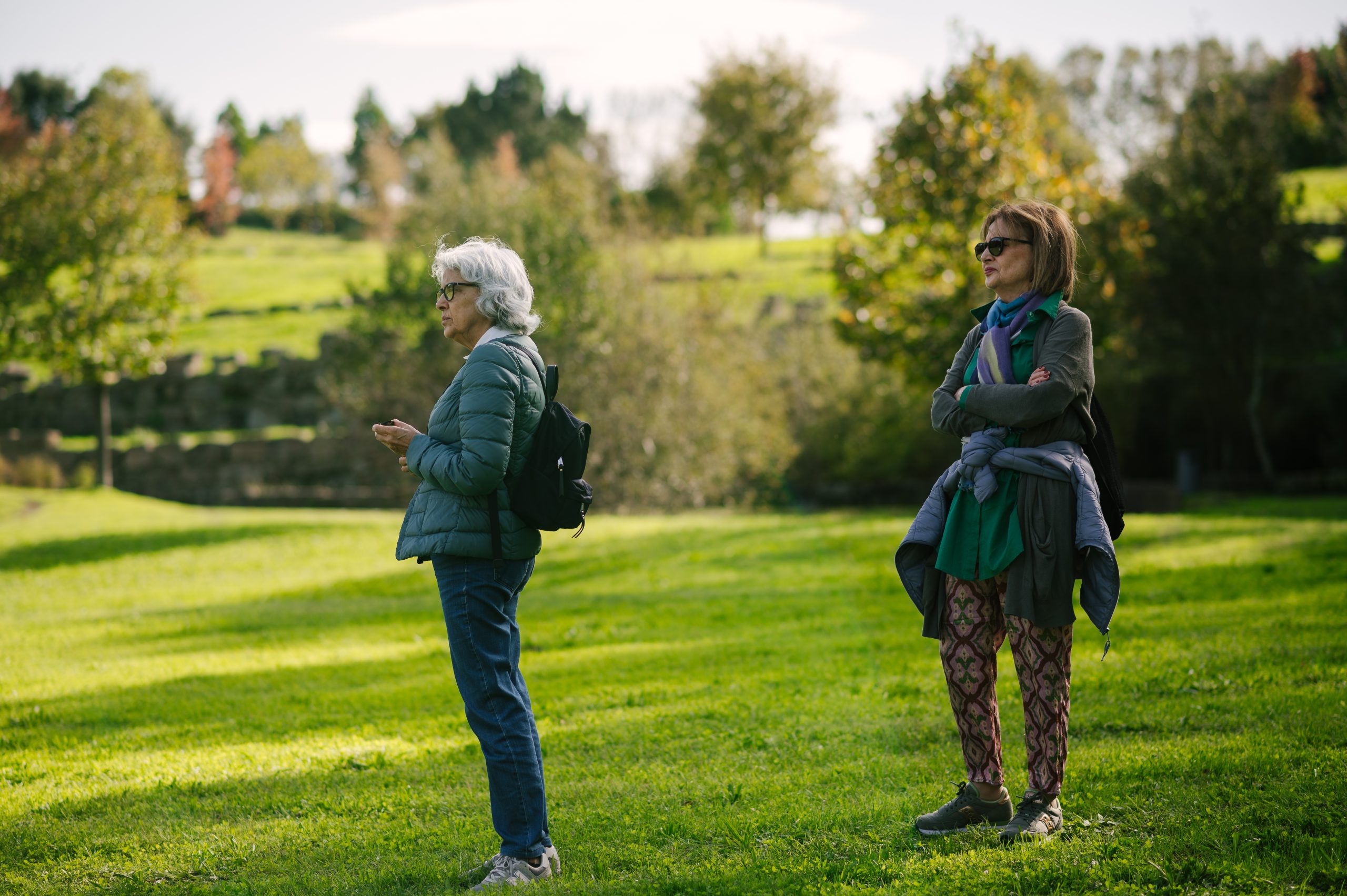
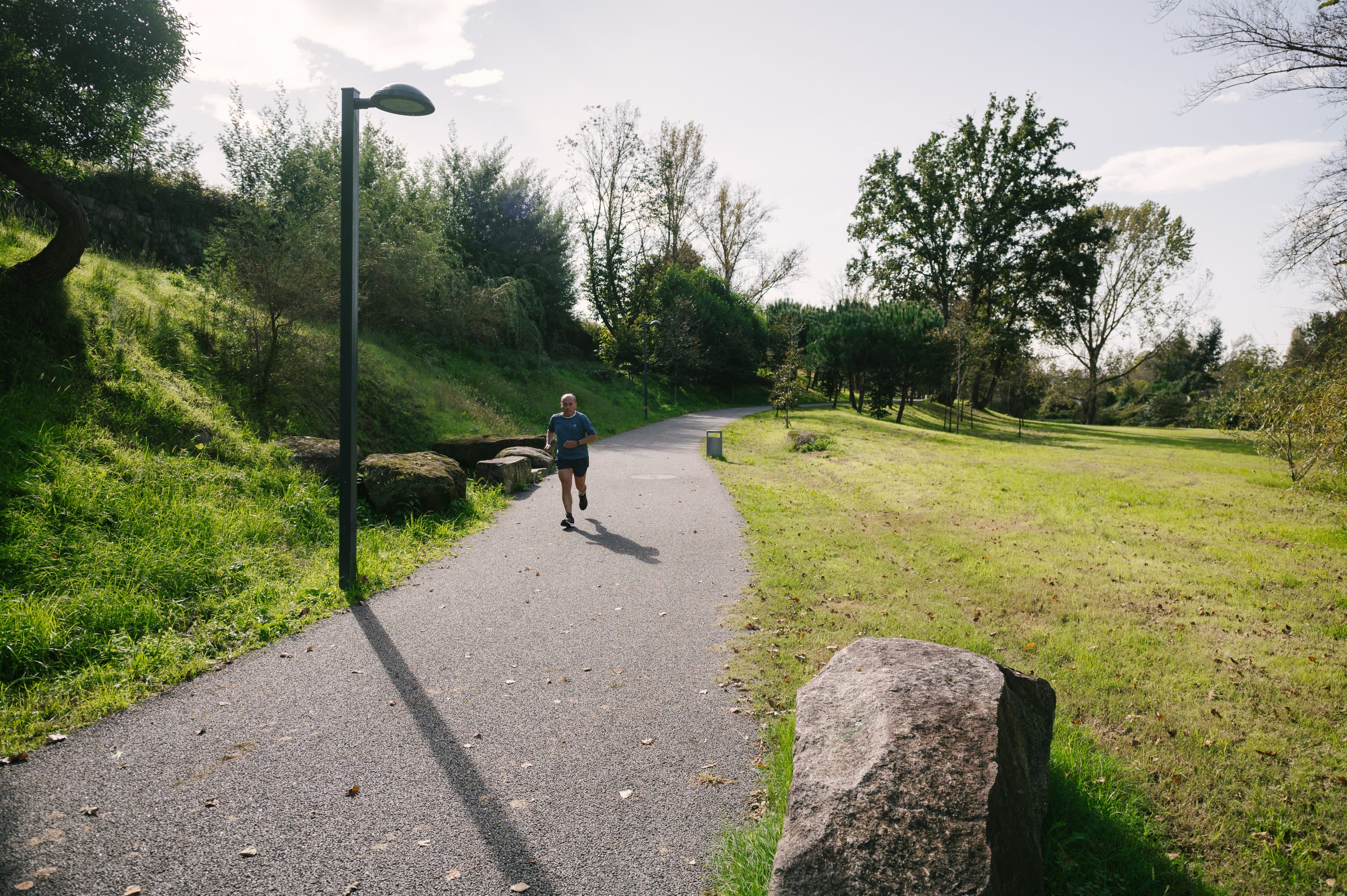
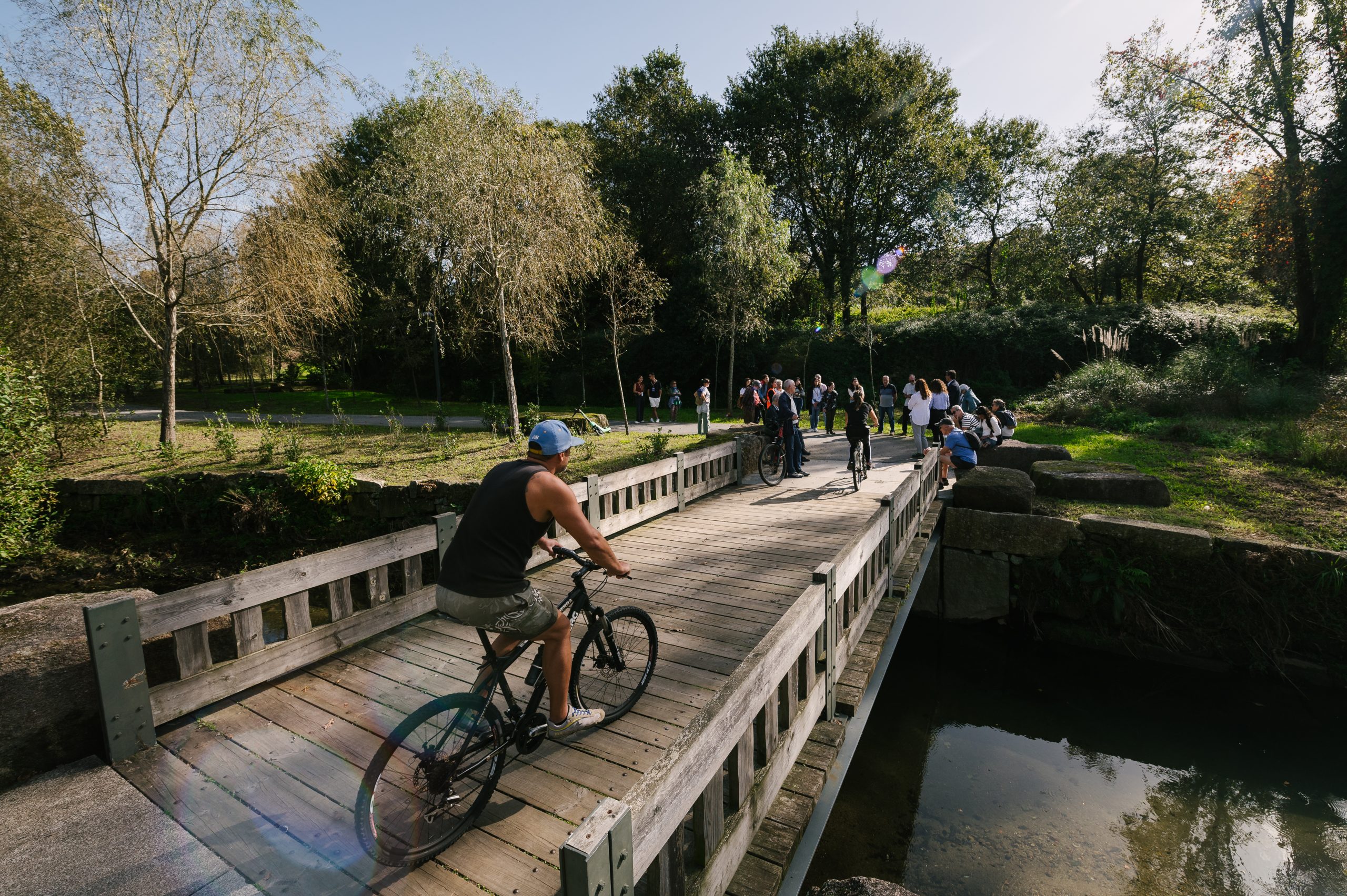
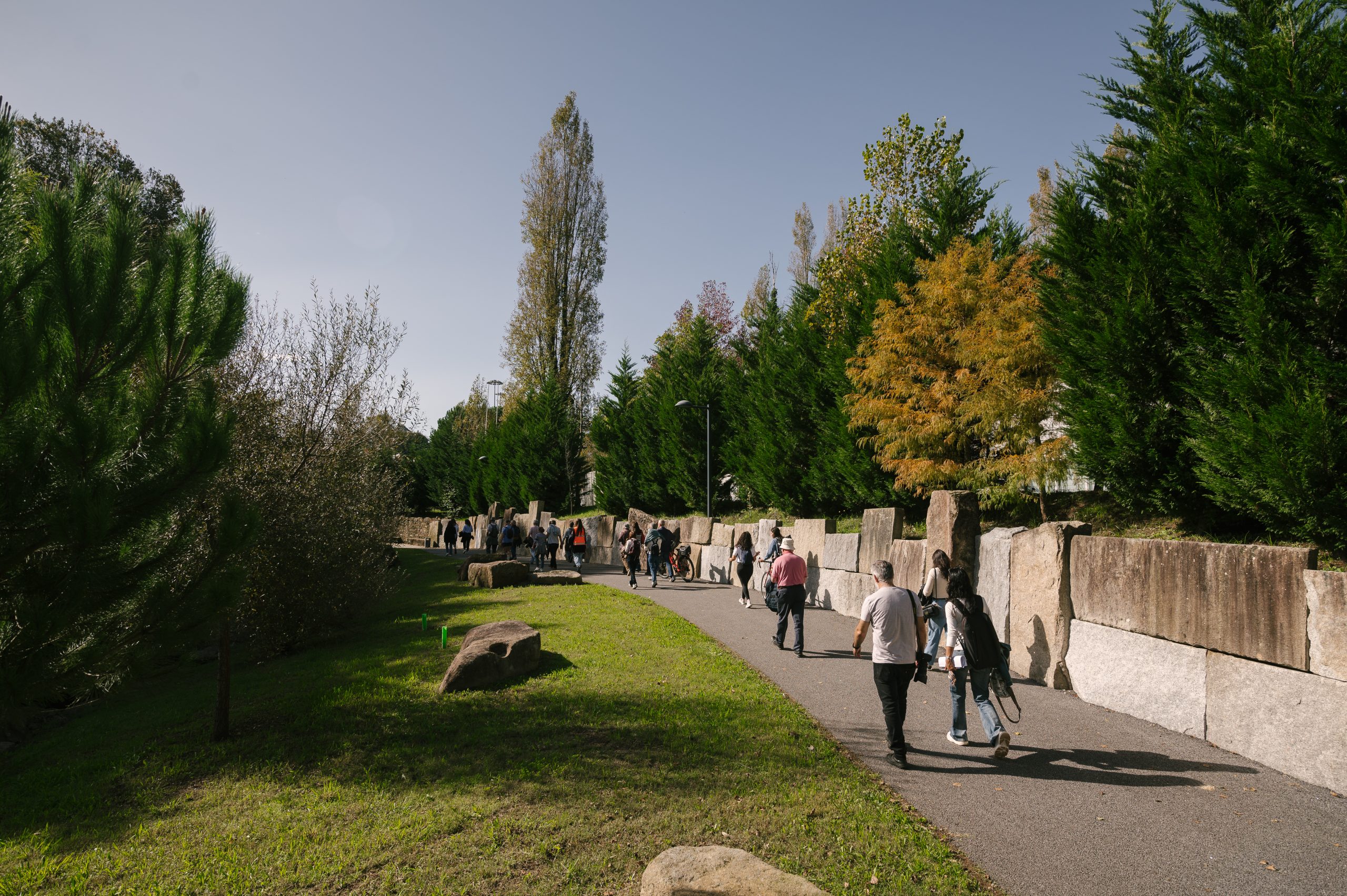
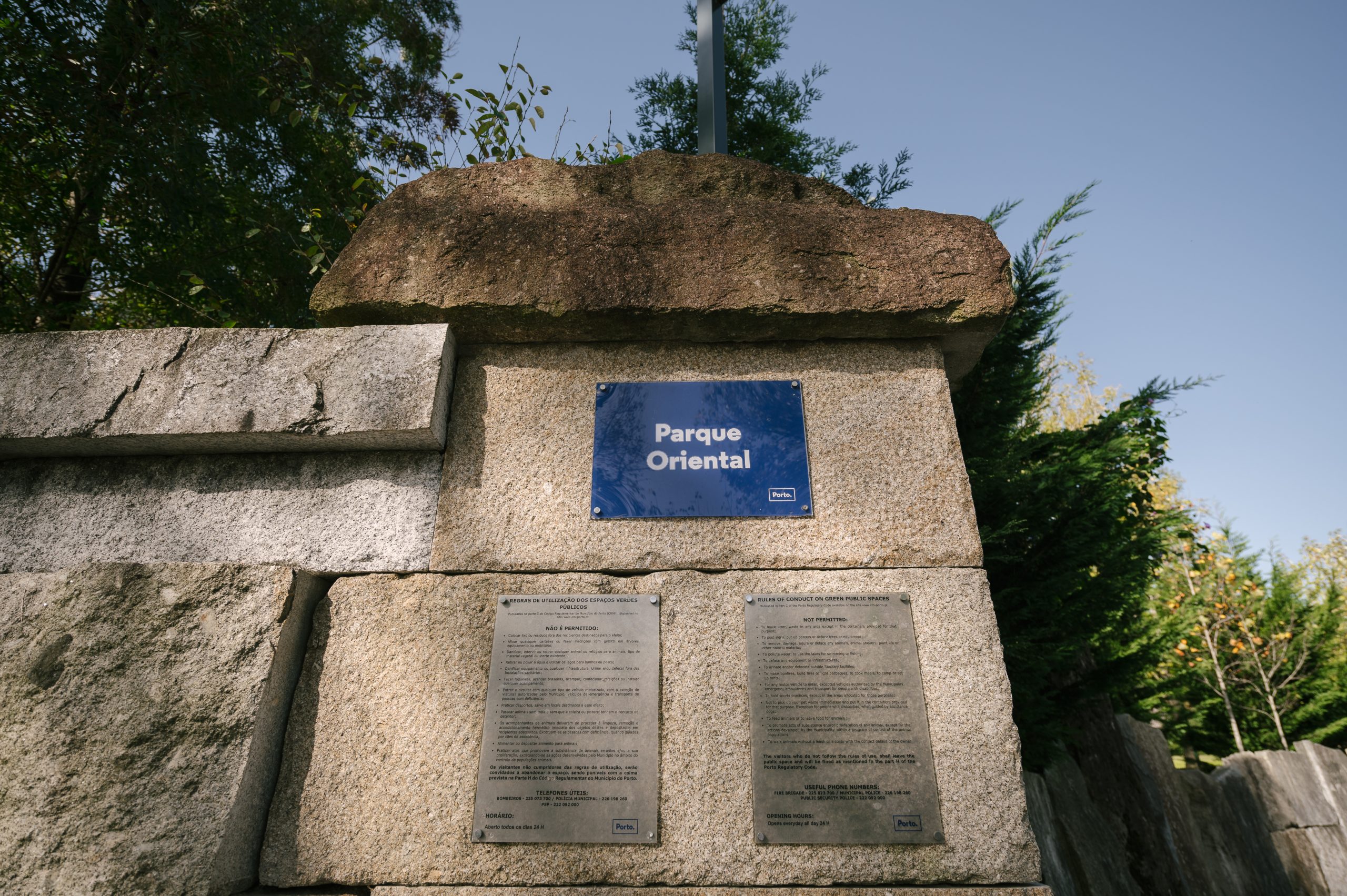
The Oriental Park, one of the largest green areas in that part of the city, was designed to integrate and enhance nature in an urban context. Inaugurated in 2010 and expanded in 2019, the park has grown to cover 18 hectares—more than double its original size. It is a space where the natural landscape meets recreational infrastructure such as walking trails, bike paths, and rest areas.
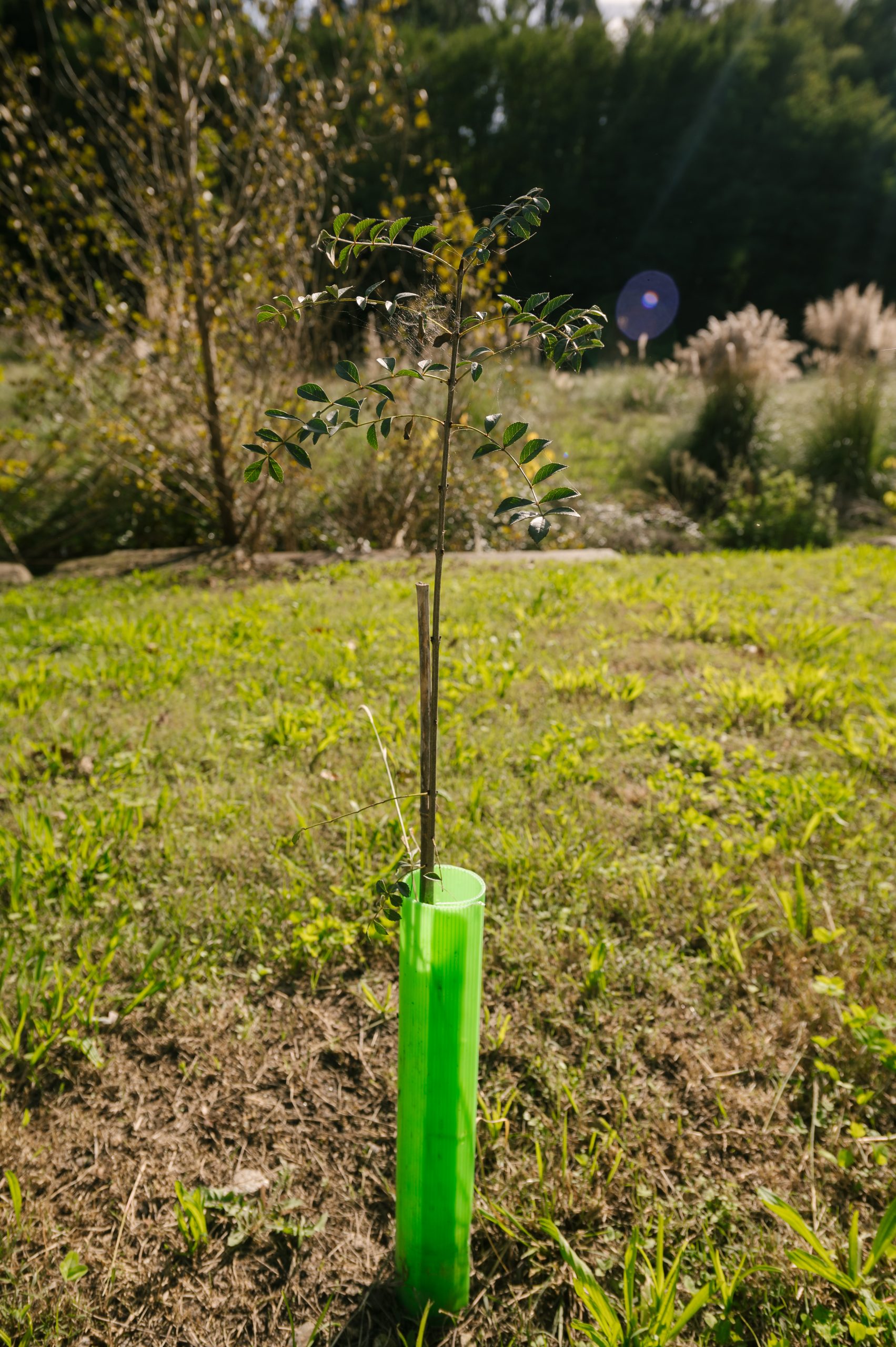
In this environment, native species like the maritime pine, cork oak, and pedunculate oak provide a vital habitat for preserving biodiversity. The Oriental Park offers a wide variety of large trees, which are essential for maintaining ecological balance in the urban environment. These trees not only beautify the park but also help regulate temperature by providing shade and a natural refuge during periods of intense heat. They also help reduce the carbon footprint by sequestering carbon, provide ecosystem services in water management, and serve as habitats for numerous pollinator species. This highlights the park’s commitment to biodiversity and quality of life in Porto.
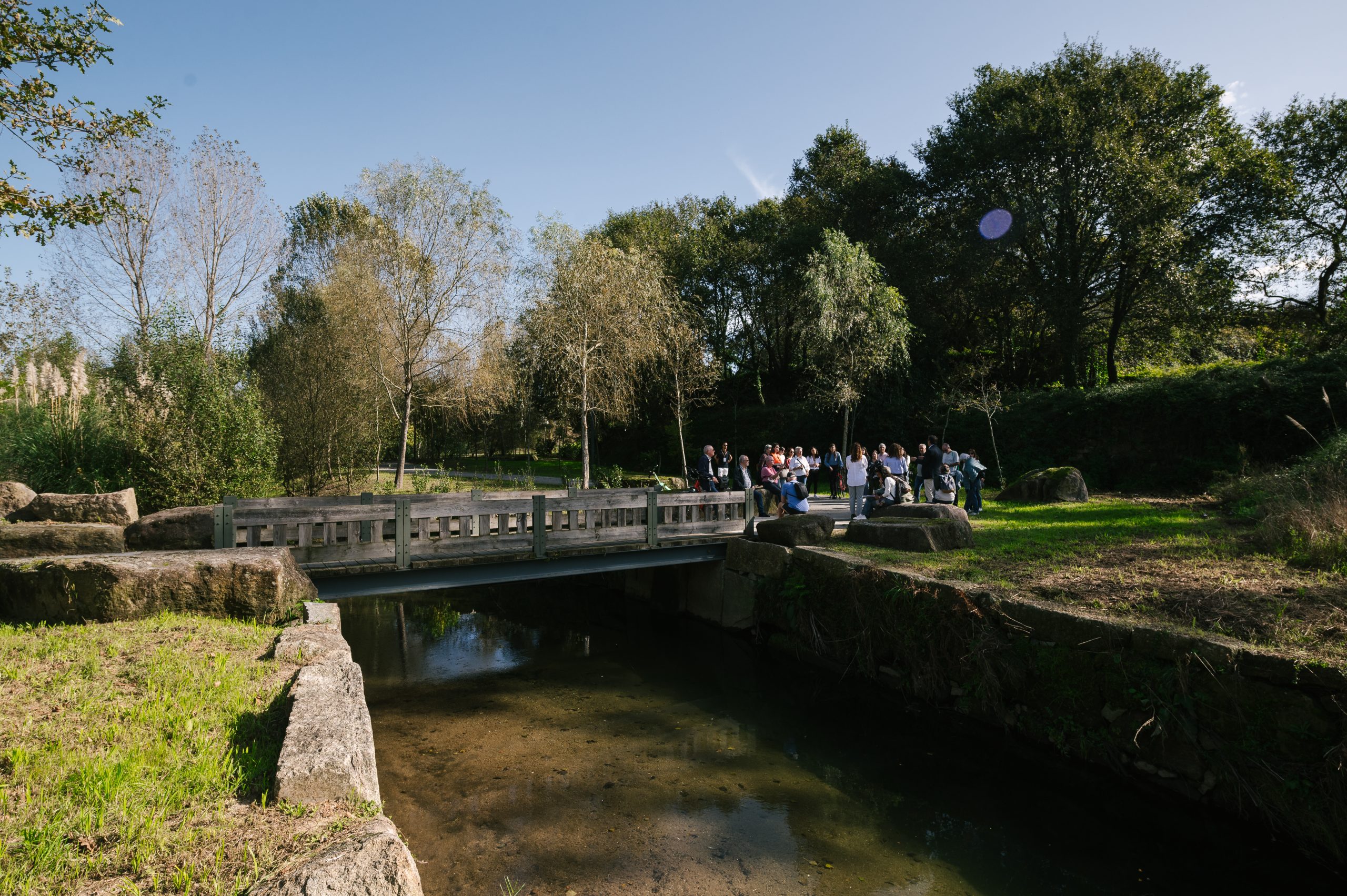
Like Asprela Central Park, the Oriental Park also incorporates nature-based solutions, such as ponds for water retention. These help control extreme water flows by capturing rainwater and promoting its infiltration into the soil.
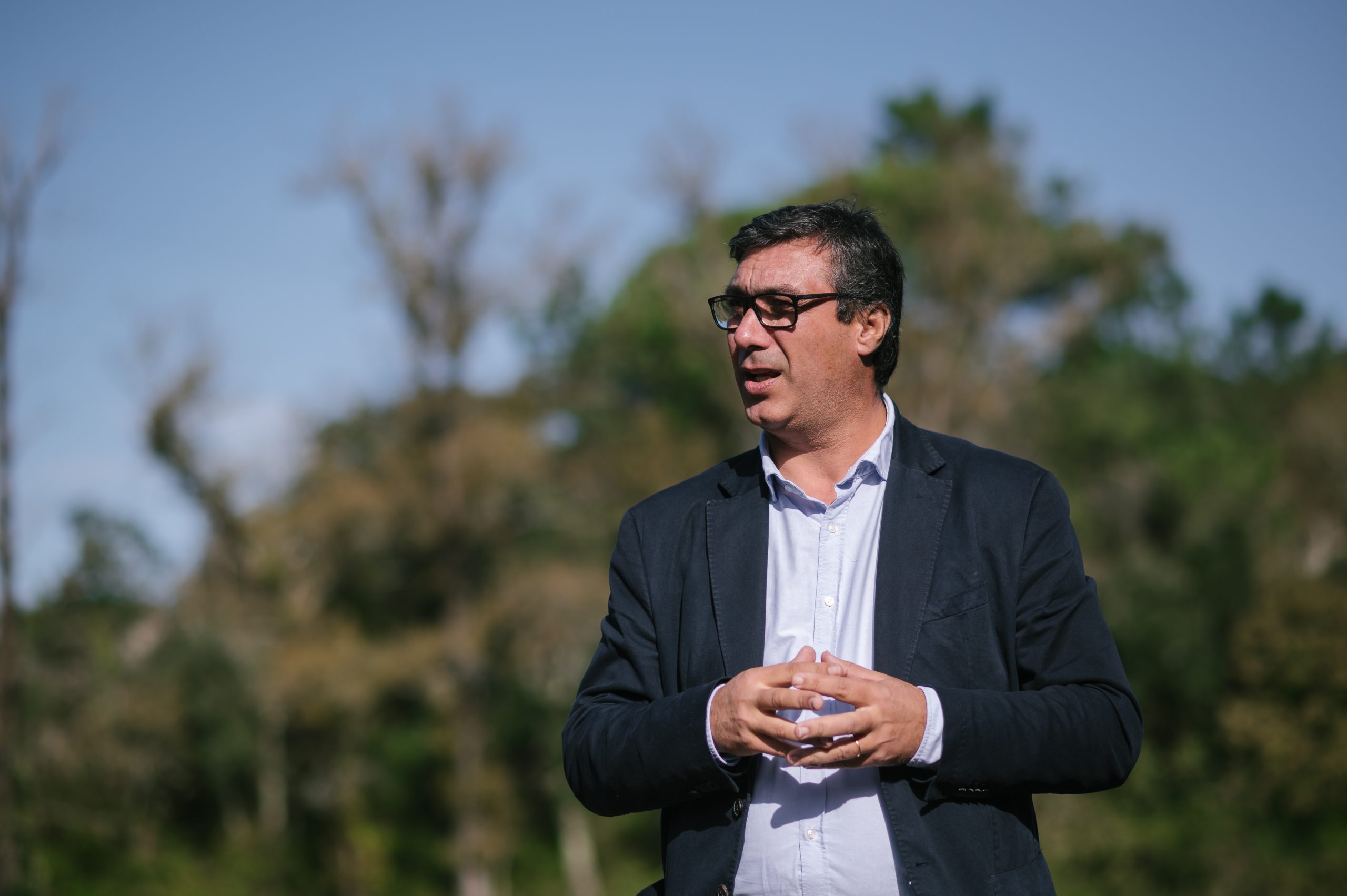
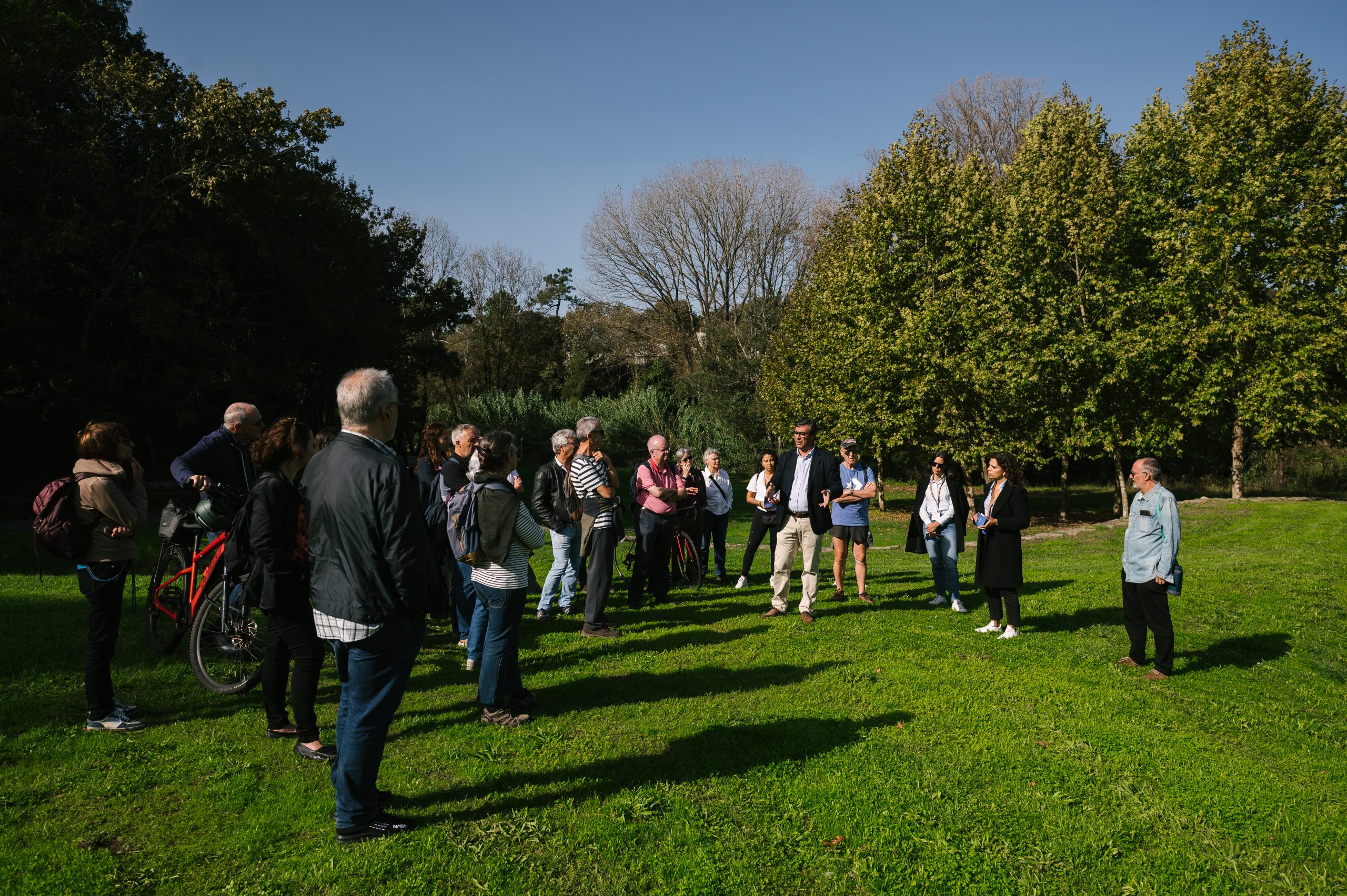
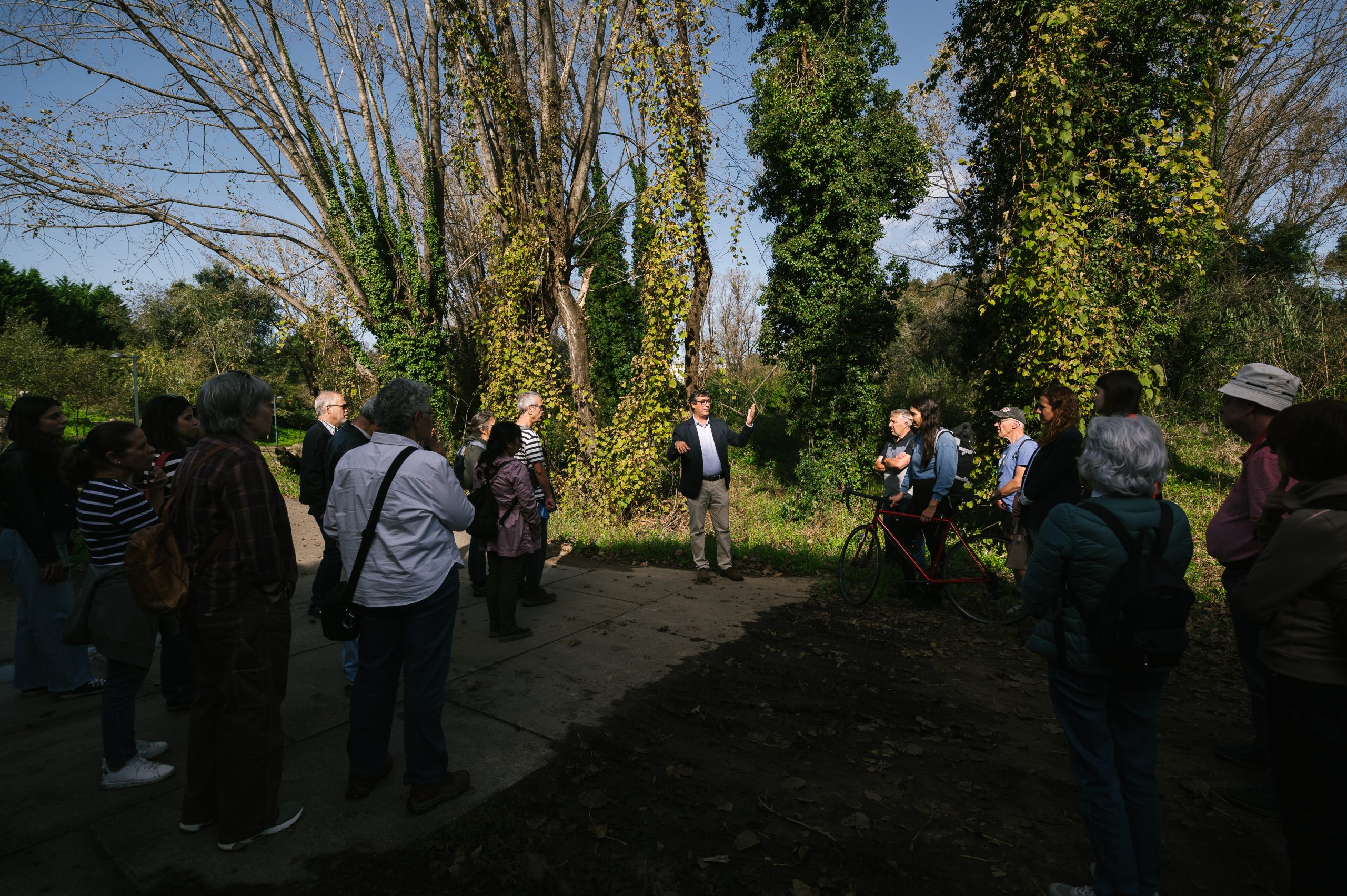
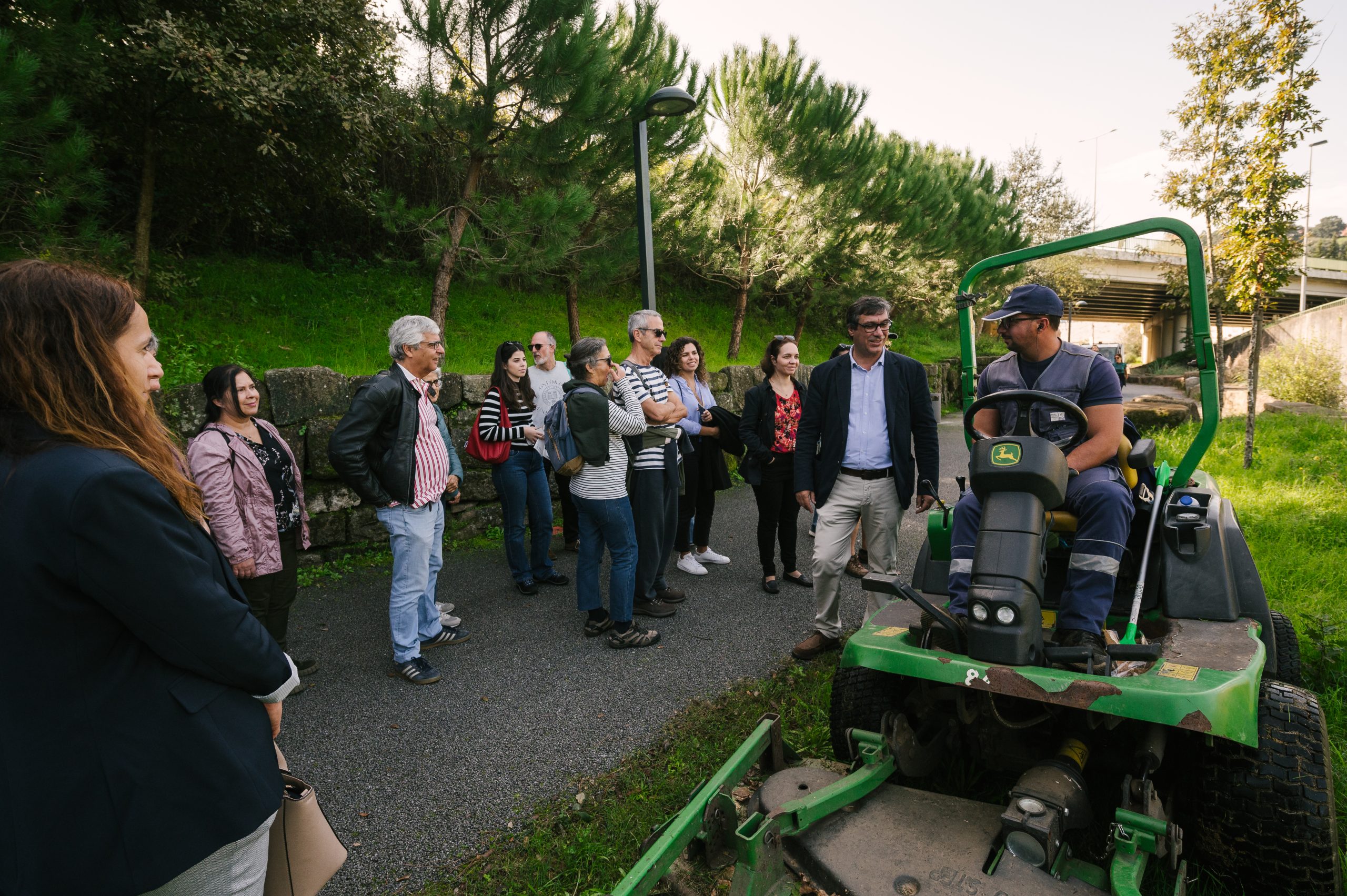
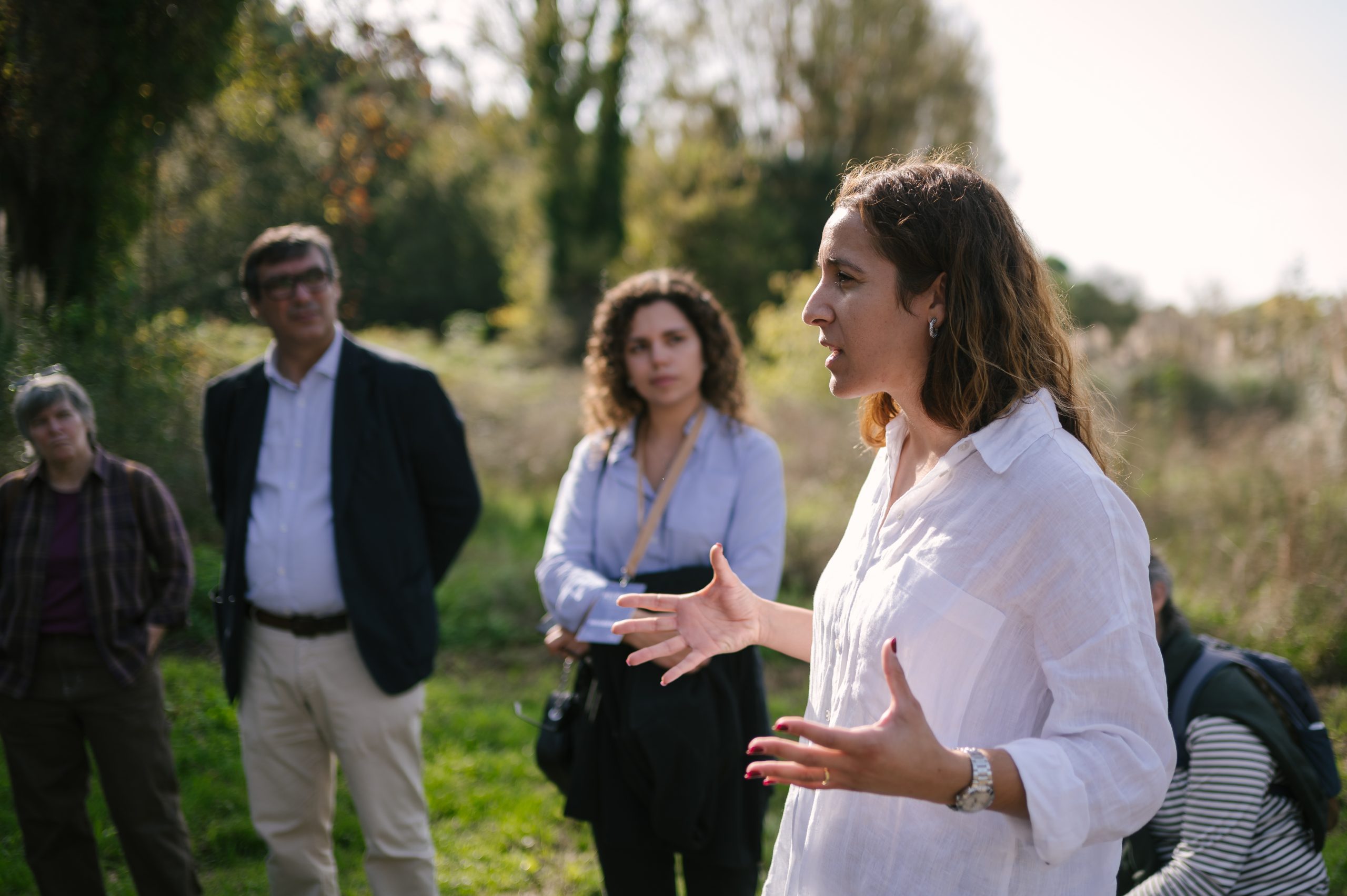
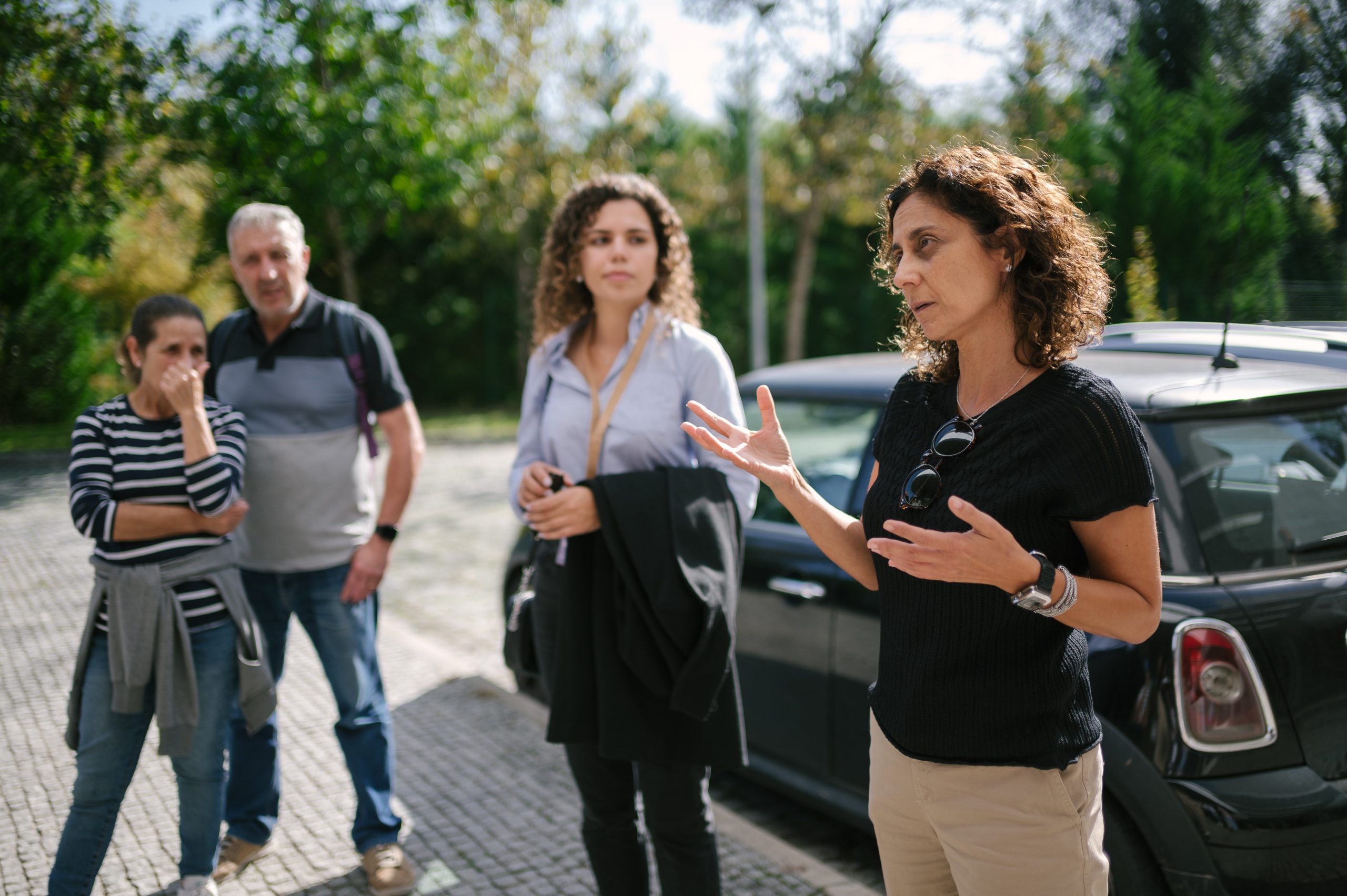
José Franco, head of the Green Spaces Division of Porto City Council, who led this visit, emphasized the importance of the teams that work daily to clean and maintain the park, ensuring it remains a place for relaxation, contact with nature, and environmental education.
Rivers and Streams in Porto: Preserving and Revitalizing Watercourses
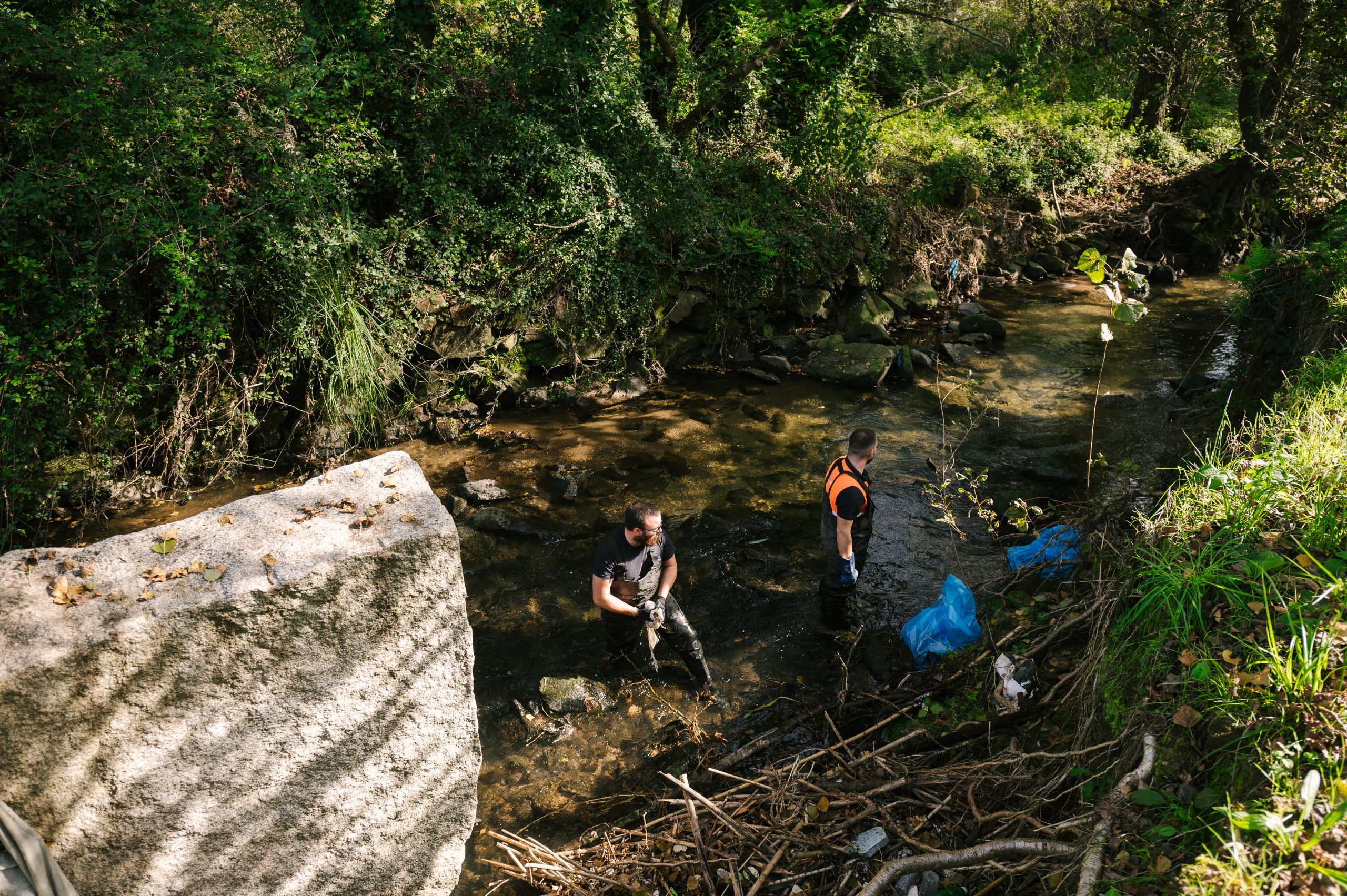
The management of watercourses in Porto is a central element of the city’s sustainability policy. The Tinto River, which flows through the Oriental Park, exemplifies the strategies adopted: after undergoing depollution efforts, it has been revitalized and now forms part of the park’s landscape. The city aims to clean up, uncover, and rehabilitate its streams, ensuring that watercourses are no longer hidden or subject to contamination and instead become part of public spaces, promoting closer engagement with residents and better monitoring.
The presence of river wardens—an occupation reactivated by the municipality in 2017—reinforces surveillance and preservation of these watercourses. These professionals have been essential in maintaining riverbanks and preserving waterways, as well as monitoring improper connections and illegal discharges that could pollute them. Joana Teixeira, from Águas e Energia do Porto, highlighted the importance of these “river guardians” in safeguarding water resources, in line with the city’s strategy to become more permeable and resilient.
Freixo Wastewater Treatment Plant (ETAR): Innovation and Sustainability in Water Treatment
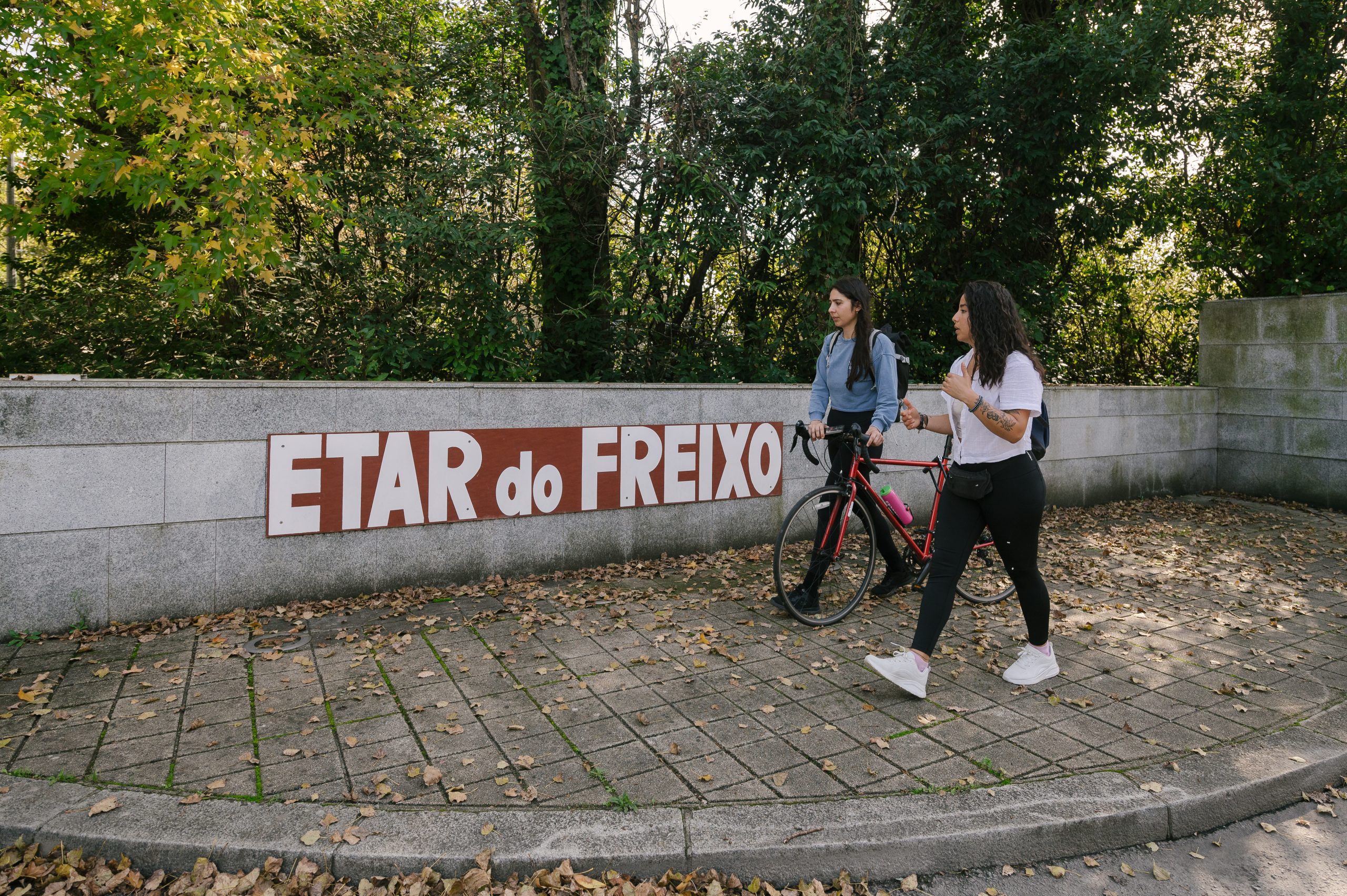
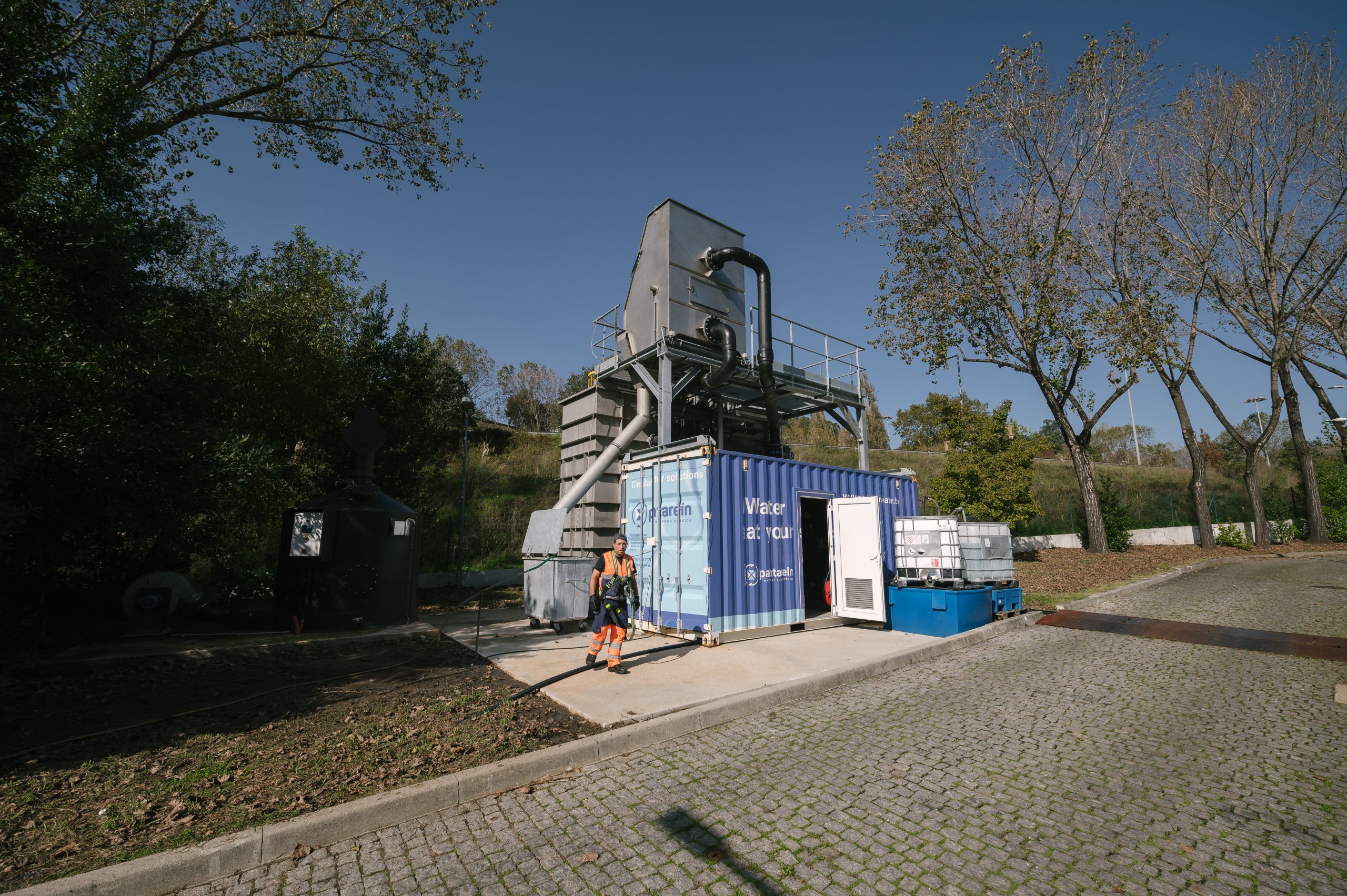
Equally strategic, the Freixo Wastewater Treatment Plant ensures the treatment of wastewater using innovative technologies and circular economy practices. The facility, which can serve around 170,000 residents, comprises three main lines: the liquid line, the sludge line, and the deodorization line. In the sludge line, the biogas generated is used as a renewable energy source. This is complemented by the installation of 242 solar panels, producing clean energy to reduce the carbon footprint and aligning with the goal of making the city’s wastewater treatment plants more energy-efficient.
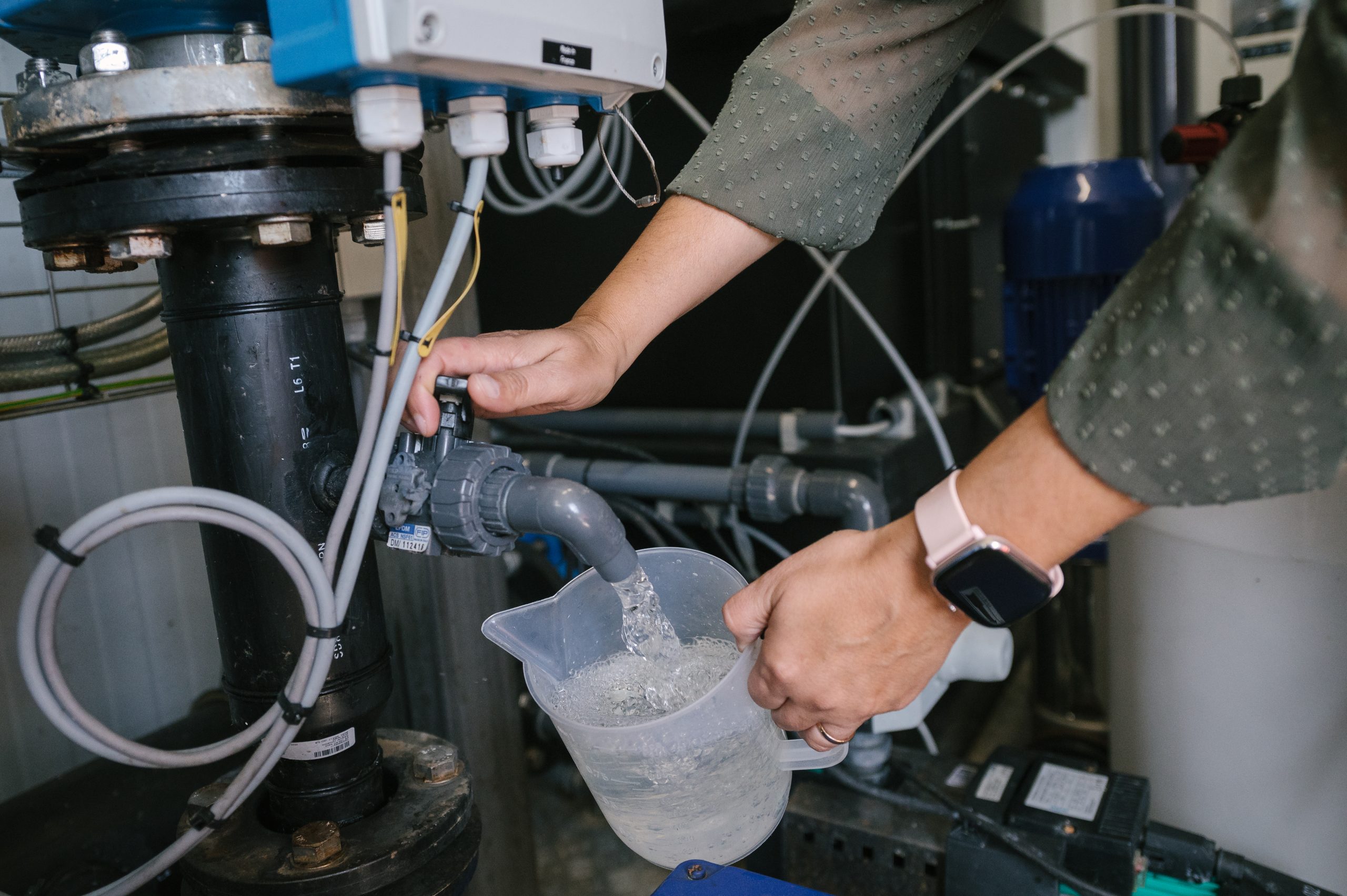
Cecília Santos, from Águas e Energia do Porto, also presented the Água para Reutilização (ApR) project, which enables the plant to produce 1,000 cubic meters of Class A water daily for street cleaning and potentially for irrigating gardens—reducing the use of potable water. This project reflects a commitment to sustainable practices and climate change adaptation, creating positive impacts on resource conservation and efficient water management in the city.
One-pager:
You can download the one-pager here.