
Route 5: Campanhã Intermodal Terminal and Águas e Energia do Porto Campus
29/11/2024
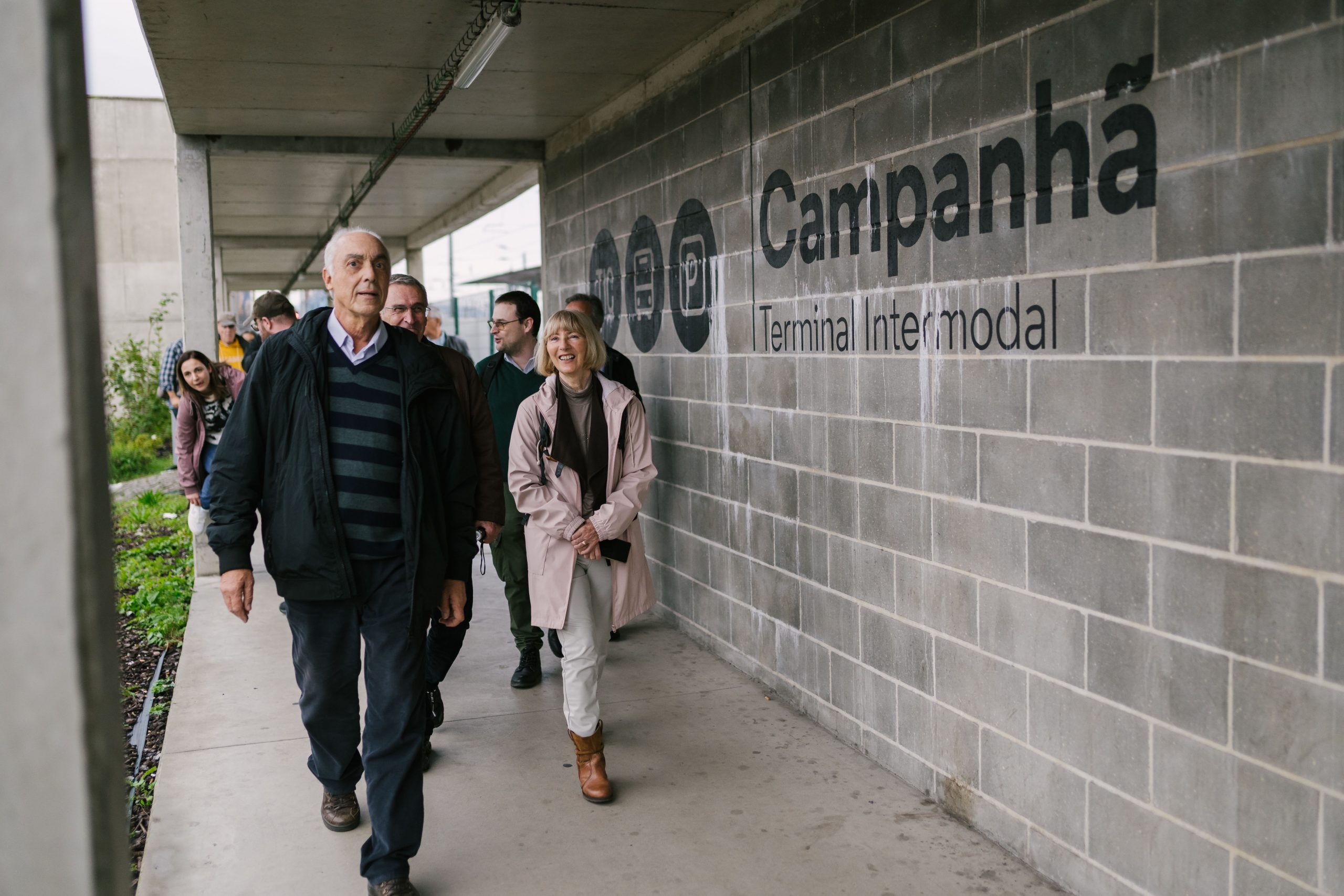
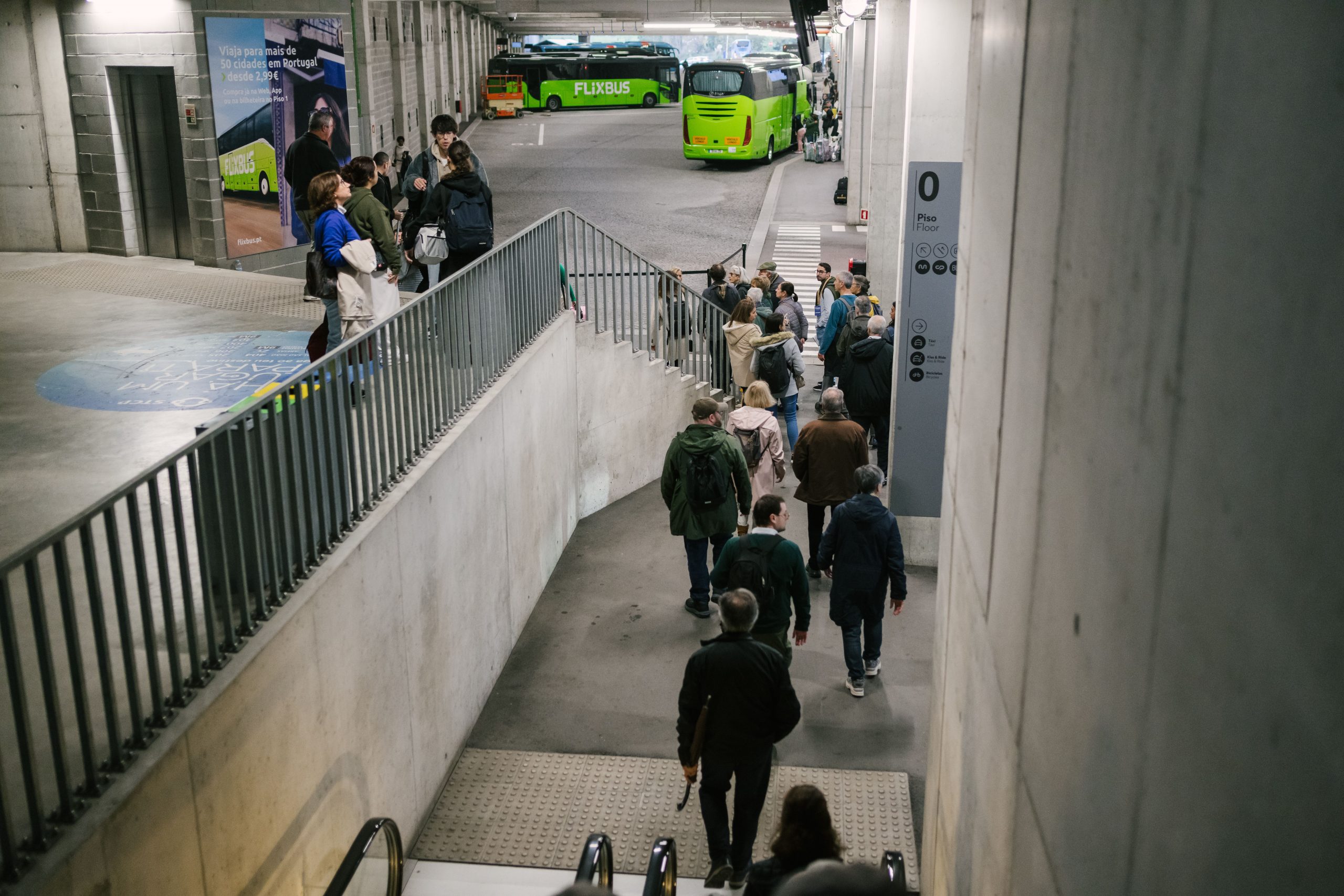
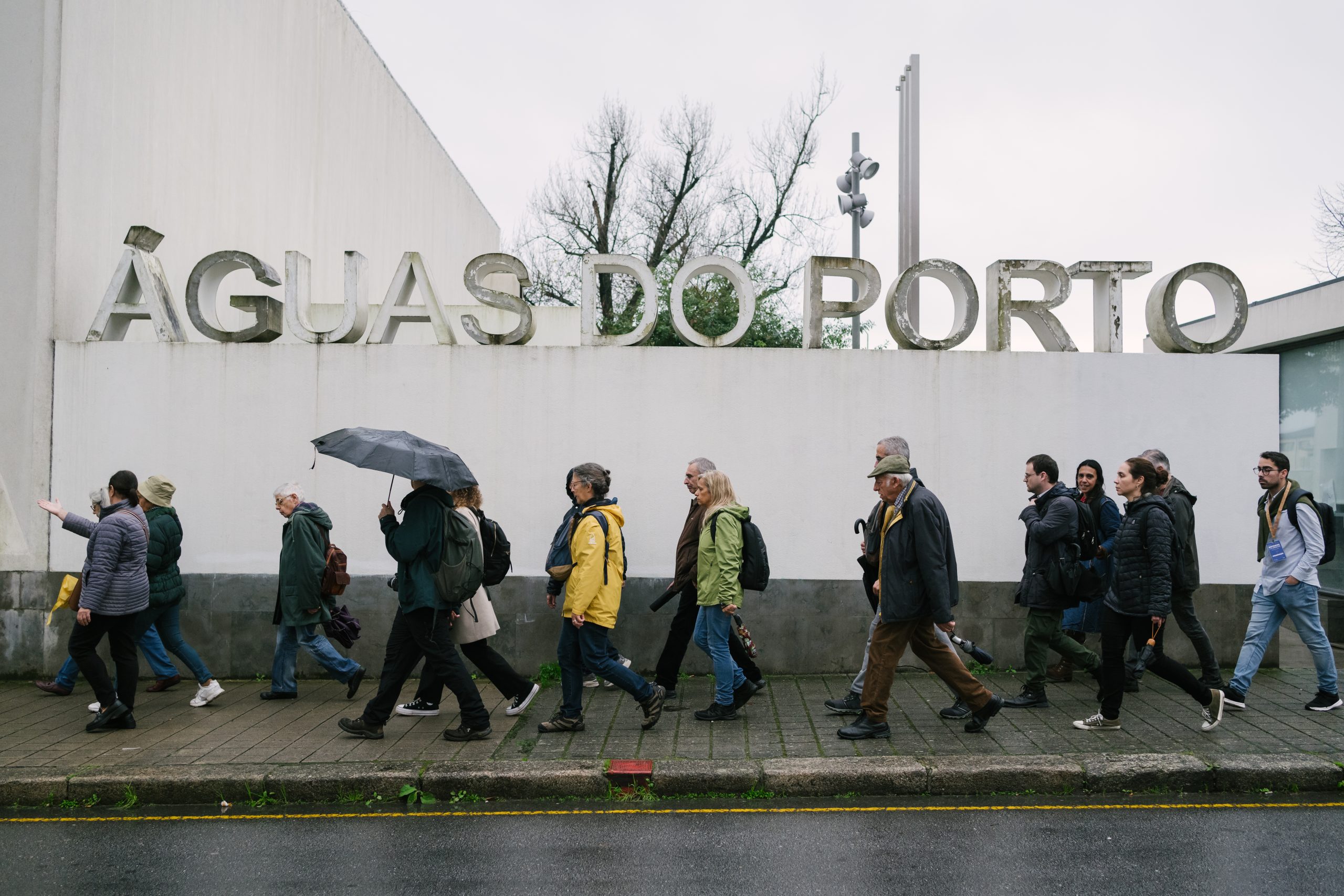
The fifth and final route of the “Roteiros com ImPacto” initiative took participants to explore the Campanhã Intermodal Terminal (TIC) and the Águas e Energia do Porto campus. At the end of November, this route highlighted the Municipality’s commitment to sustainable mobility and efficient resource management.
The visit to the TIC began on the western side of the terminal and was led by architect Nuno Brandão Costa, who oversaw the project. He began by emphasizing the work of a broad team, which included engineers from different fields and landscape architects in bringing this multifunctional project to life.
Covering 24,000 square meters of infrastructure and a total area of 57,000 square meters, the TIC is an example of urban redevelopment. Previously, the location was a barren area with poor accessibility, but the project has transformed it into a mobility hub with an innovative approach. “The terminal was placed on the eastern side, opening up the western side for landscaped spaces and wide streets,” explained the architect.
Today, the facility prioritizes sustainable mobility and features integrated logistics and administrative services, natural ventilation, and a gravity-based hydraulic system.
The TIC has become a landmark in eastern Porto, having already won several awards. It stands out as a model of sustainability, with an architectural design that supports flexibility in maintaining the infrastructure while ensuring energy efficiency.
Águas e Energia do Porto Campus: Centuries of History
At the Águas e Energia do Porto campus, Débora Silva, who oversees the historic heritage, led a guided tour for the group of participants. They had the opportunity to travel through time, from the 16th century to the present day.
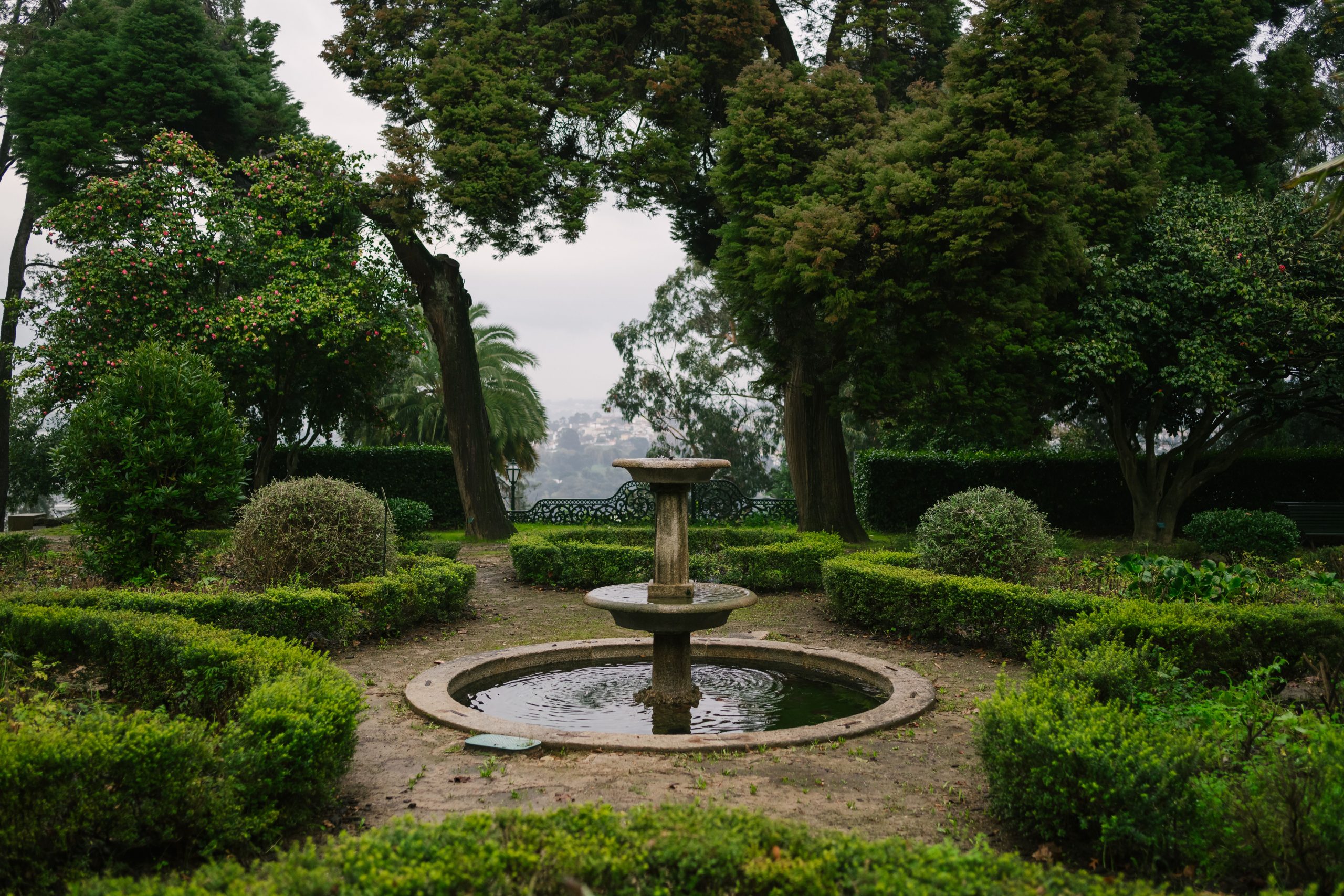
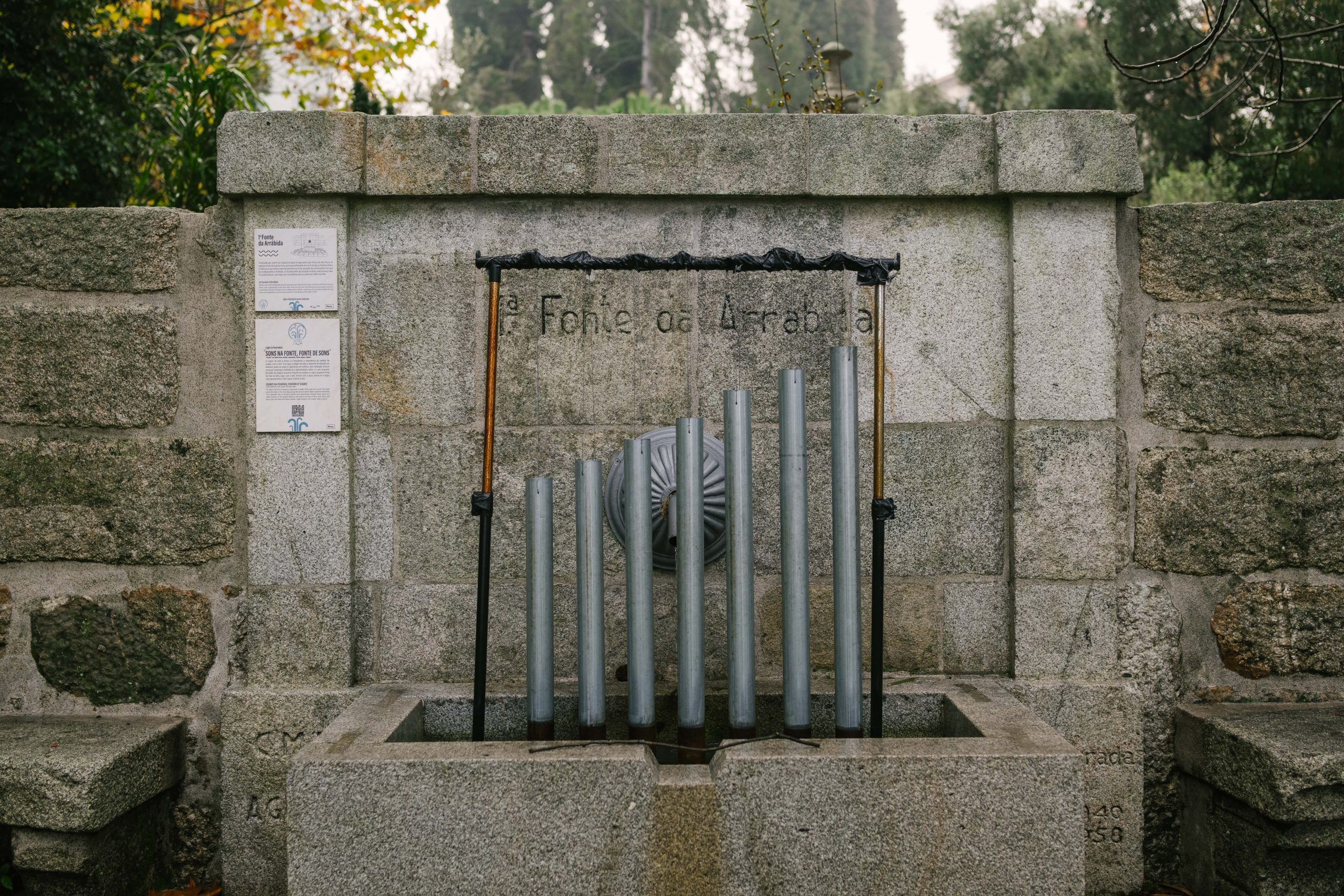
The “Parque das Águas” (Waters Park), an open-air museum, preserves historical elements of the former Quinta das Oliveiras estate, a wild garden composed of woodland, a supply tower, and various architectural features such as fountains and spouts.
The visit also included an overview of the municipal company’s energy project. Marta Simaria, from the Strategic Planning Department of Energy, presented the solar park installed in 2018—featuring 1,230 photovoltaic panels and a total installed capacity of 330 kW—making the company’s campus energy self-sufficient during periods of peak sunlight.
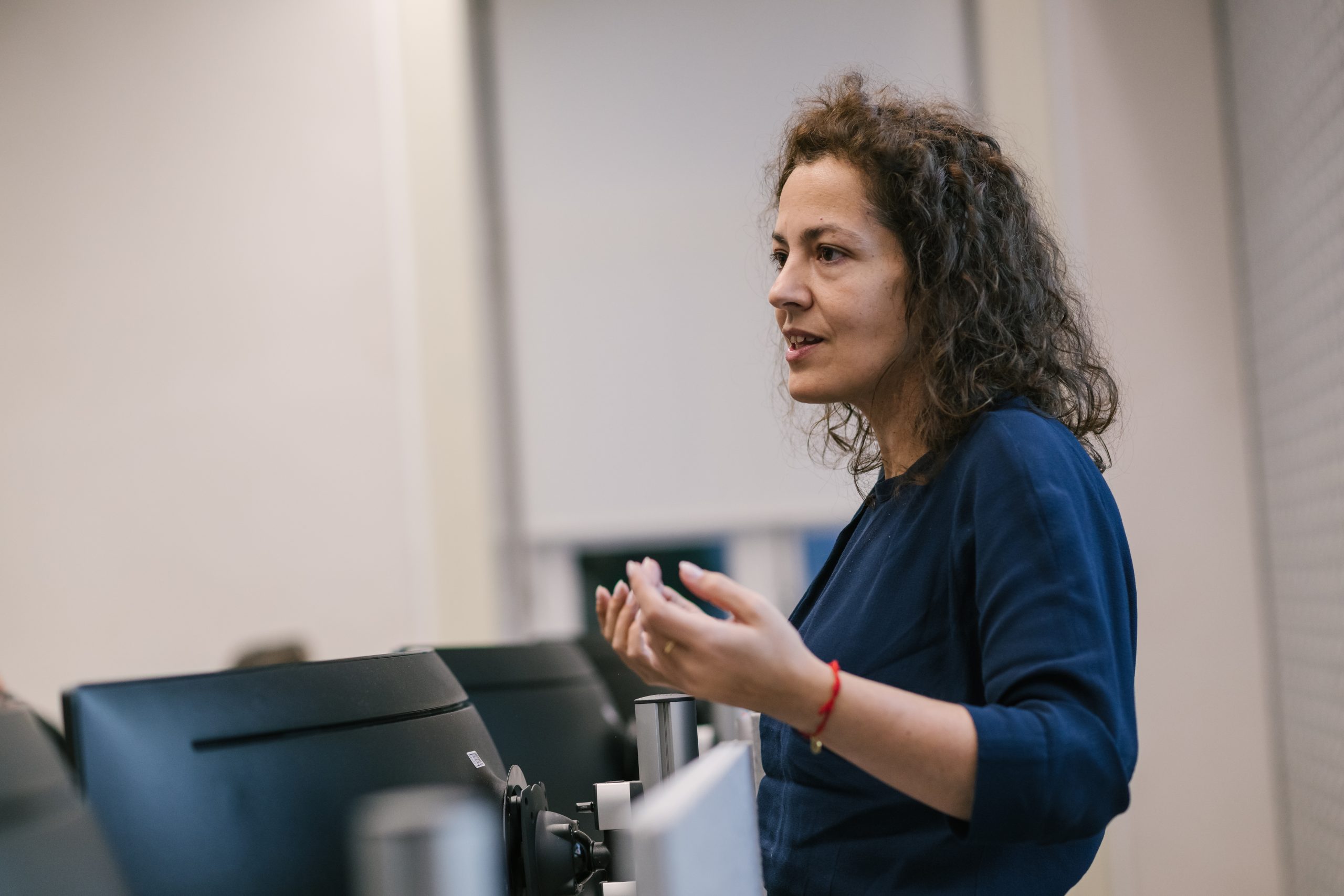
Participants also visited the operational control center, where Joana Araújo, Operations Management Coordinator, explained how the facility monitors reservoirs and pumping systems, manages incident response, and operates around the clock, seven days a week.
One-pager:
You can download the one-pager here.